Raksha Bandhan Sweets Recipes: 12 Easy Homemade Mithai for Rakhi
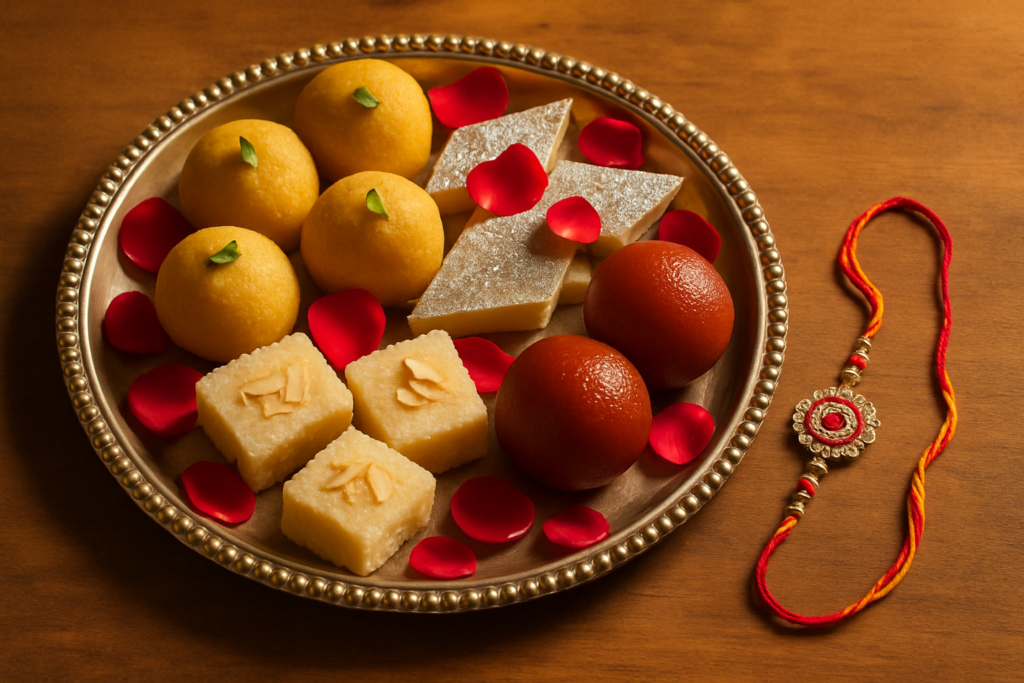
Raksha Bandhan calls for homemade mithai — and these 12 recipes cover everything from no-fail 3-ingredient coconut ladoo to showstopper kaju katli. Most can be made 3–4 days ahead. Whether you’re a first-time cook or expanding your festive repertoire, there are options here for every skill level, including Jain-friendly, vegan, and reduced-sugar variations.
Prep Time: 20 minutes | Cook Time: 30 minutes (per recipe) | Total Time: ~50 minutes per sweet
Servings: 15-20 pieces per recipe
These 12 easy raksha bandhan sweets recipes are perfect for home cooks of all levels — from no-fail 3-ingredient coconut ladoo to the showstopper kaju katli. Most can be made 3-4 days ahead, making your Rakhi prep totally stress-free.
Why You’ll Love These Easy Mithai for Rakhi
- Made with love, not preservatives: You know exactly what goes in — real ghee, fresh ingredients, no artificial flavors.
- Budget-friendly: A box of kaju katli from a decent sweet shop costs a fortune. Making it at home costs a fraction and tastes even better.
- Customizable: Adjust sweetness, add your favorite nuts, make them vegan or Jain — total control is in your hands.
- Impressive gifts: Packed in a pretty box, homemade mithai is genuinely the most thoughtful Rakhi gift there is.
- Make-ahead friendly: Almost all these recipes can be made 3-5 days in advance, so you’re not scrambling the morning of Rakhi.
Ingredients You’ll Need for These Raksha Bandhan Sweets Recipes
Here’s a general pantry list covering most of the 12 recipes below. Specific ingredients for each individual sweet are called out in its section.
- Besan (chickpea flour): Use the fine variety, not the coarse one. Outside India, Bob’s Red Mill makes a decent one, or find it at any Indian grocery store.
- Ghee: Please use good quality ghee — it makes ALL the difference. Ghee has been central to Indian cooking and Ayurveda for thousands of years and there’s no real substitute in these recipes. Amul or homemade ghee is a great first choice.
- Khoya/Mawa: Frozen khoya works beautifully if you’re outside India. Ricotta cheese (full fat, drained) is a passable emergency substitute.
- Cashews: For kaju katli, use the best whole cashews you can find. Broken ones are fine too — you’re grinding them anyway!
- Condensed milk: Nestlé Milkmaid is the classic. Any brand works. For a vegan version, use coconut condensed milk.
- Desiccated coconut: Not fresh coconut for barfi — the desiccated version absorbs moisture better and gives a cleaner set.
- Milk powder: Full-fat whole milk powder gives the richest flavor. Skimmed milk powder works but tastes noticeably less indulgent.
- Cardamom powder: Freshly crushed cardamom is 10x more fragrant than pre-ground. Worth the extra 2 minutes.
- Saffron: Optional but gorgeous. A few strands soaked in warm milk add color and that unmistakable flavor to milk-based sweets.
- Silver varq: Purely decorative, totally optional. Available at Indian grocery stores and online.
The 12 Raksha Bandhan Sweets Recipes — One by One
1. Classic Besan Ladoo
The key is to roast the besan on low flame only. High heat will give you raw-tasting lumps on the inside even when the outside looks golden. Give it 20-25 minutes on low, stirring the whole time. It’s ready when the entire kitchen smells like toasted nuts and the color turns a deep golden amber.
Mix in powdered sugar only after the mixture has cooled for exactly 10 minutes — not fully cold, not scalding hot. That sweet spot gives you ladoos that hold their shape beautifully. Read the detailed besan ladoo recipe here for the full method with troubleshooting tips.
2. Kaju Katli (Cashew Fudge)
Kaju katli is the queen of Indian festival sweets and the one people are most intimidated by. The trick is the sugar syrup — you need a one-string consistency, not more. Overcooked syrup = grainy katli. Grind your cashews when they’re completely cool and dry (even a hint of warmth makes them release oil and clump). Roll between two sheets of butter paper for that perfect thin, even slab. Press on silver varq while still slightly warm.
3. Coconut Barfi
Three ingredients, fifteen minutes, done. Desiccated coconut + condensed milk + cardamom, cooked until the mixture leaves the sides of the pan. Set it in a greased tray, scatter crushed pistachios on top for color, refrigerate for 30 minutes, and cut into squares. Purists may insist on fresh coconut, but for ease and consistency, desiccated coconut is the better option here.
4. Milk Powder Burfi
This is the modern shortcut version of the traditional khoya burfi and it works brilliantly. Milk powder + condensed milk + ghee + a splash of rose water or saffron milk. Cook on lowest flame, stirring constantly until it pulls away from the pan. The texture is slightly denser than khoya burfi but the flavor is genuinely close. Brilliant for the Indian diaspora where good khoya is hard to find. Check out the full milk powder burfi recipe with step-by-step photos.
5. Mohanthal
This is quintessentially Gujarati — a fudge-like besan sweet that’s more delicate and melt-in-the-mouth than a regular besan ladoo. The difference lies in adding warm milk to the besan before roasting, which creates tiny crumbles that give mohanthal its signature grainy-yet-tender texture. It’s a bit more work than ladoo but the payoff is spectacular. Garnish with chopped almonds and a few strands of kesar.
6. Sooji Halwa (Sheera)
A really well-made sooji halwa, served warm in small clay cups, is genuinely special. The secret is roasting the sooji in ghee until it turns the color of sand — don’t rush it. Then add hot water (not cold — cold causes splattering and lumps) and sugar. Flavor with cardamom and a pinch of saffron. This is best offered freshly made right after the Rakhi ceremony.
7. Rava Ladoo
Lighter than besan ladoo and quicker to make. Roast rava (semolina) in ghee until fragrant, mix with powdered sugar, a little warm ghee, cardamom, and chopped cashews and raisins. Shape into balls while warm. These have a slightly crumbly texture. Some families add fresh coconut — it’s a regional variation worth trying.
8. Chocolate Modak
A modern option for those who are lukewarm about traditional sweets. Make a basic khoya and cocoa mixture, shape in a modak mold, and chill until firm. Chocolate chips can be added for extra indulgence. A fun one to make with children in the kitchen.
9. Peda
Soft, melt-in-the-mouth khoya peda with saffron and cardamom is a classic UP and Mathura specialty. Use good khoya (or frozen khoya thawed completely), cook with sugar until the mixture thickens and starts leaving the sides of the pan, add flavoring, and shape into small rounds. Press a pistachio sliver on top. Simple, stunning, and deeply traditional.
10. Dry Fruit Ladoo (No-Cook)
This one requires zero cooking and is genuinely the healthiest sweet on this list. Almonds are packed with healthy fats and vitamin E — combine them with dates, figs, cashews, pistachios, and a pinch of cardamom in a food processor. Pulse until it comes together into a sticky mass. Roll into balls. No sugar added, no cooking needed. A good option for anyone managing blood sugar.
11. Kheer (Rice Pudding)
Slow-cook full-fat milk with rice, stirring patiently, until it reduces to a thick, creamy pudding. Add sugar, cardamom, saffron, and rose water. Finish with a generous handful of nuts. The slow cooking cannot be rushed — it’s a 45-minute process, but the result is a genuinely special sweet that belongs on any Raksha Bandhan thali.
12. Anjeer Barfi (Fig Fudge)
Blend soaked dried figs with a little ghee, add chopped mixed nuts, and cook briefly until it comes together. Set in a tray, top with crushed pistachios, and slice. Naturally sweet from the figs, no refined sugar needed, and it looks absolutely gorgeous on a mithai plate. Full recipe with photos in the anjeer barfi post.
Tips for Perfect Raksha Bandhan Sweets Recipes Every Time
- Low and slow is non-negotiable for roasting: Whether it’s besan, sooji, or khoya, roasting on high heat is the number one reason sweets taste raw or burn. Low flame, stirring continuously, patience rewarded.
- Cool before adding sugar: Adding powdered sugar to a piping hot mixture melts it into a syrup. Let the roasted mixture cool to just warm before mixing in sugar for ladoos and barfi.
- Shape ladoos while warm: Ladoo mixtures become crumbly and hard to bind once fully cold. Work quickly while the mixture is still body-temperature warm.
- Heavy-bottomed pans are your best friend: Thin pans cause hot spots and uneven cooking. A good thick kadai or non-stick pan makes a massive difference in outcome.
- Taste as you go: Taste before shaping and adjust cardamom and sweetness to your preference. Recipes are guides, not rules.
Variations for These Homemade Sweets for Raksha Bandhan
Jain-Friendly
All 12 recipes on this list are Jain-friendly as none contain root vegetables. Go ahead and make all of them without any modifications.
No-Onion No-Garlic
These are all naturally no-onion no-garlic Indian sweets — no adjustments needed.
Vegan
Swap ghee with refined coconut oil (it gives a mild coconut flavor which actually works beautifully in coconut barfi and dry fruit ladoo). Replace condensed milk with coconut condensed milk. For kheer, use full-fat coconut milk or oat milk — the oat milk version is surprisingly creamy. Kaju katli is naturally dairy-free if you use coconut oil!
Reduced Sugar
For diabetic-friendly options, the dry fruit ladoo (Recipe 10) and anjeer barfi (Recipe 12) are the best bets — naturally sweetened with no refined sugar. For others, reduce sugar by 20-25% and add a little extra cardamom to compensate — it tricks the palate into perceiving more sweetness.
What to Serve With These Rakhi Mithai Recipes
- Masala Chai: The classic companion for all Indian sweets. A strong, slightly spiced cup of chai cuts through the richness of ghee-based mithai perfectly.
- Thandai: If your Raksha Bandhan falls in the warmer months (it usually does!), a chilled glass of rose or saffron thandai alongside the sweets makes the celebration feel extra special.
- Namkeen and Chaat: Balance the sweetness of the mithai thali with some crispy namkeen, sev, or a small plate of papdi chaat. Sweet + savory is the ultimate festive combo.
Storage and Reheating
At room temperature: Dry sweets like besan ladoo, rava ladoo, kaju katli, and coconut barfi keep well in an airtight container at room temperature for 4-5 days. Keep them in a cool, dry spot away from direct sunlight.
Refrigerated: Milk-based sweets like peda, khoya barfi, milk powder burfi, and kheer should be refrigerated and consumed within 5-7 days. Always store in an airtight container to prevent them from absorbing fridge odors.
Freezing: Besan ladoo, kaju katli, and dry fruit ladoo freeze beautifully for up to 2 months. Thaw at room temperature for 2-3 hours before serving. Milk-based sweets don’t freeze as well — the texture gets grainy on thawing.
Reheating: Halwa and kheer should be gently warmed on the stovetop with a splash of milk to restore creaminess. All other sweets are best served at room temperature — no reheating needed.
Frequently Asked Questions About Easy Mithai for Rakhi
How far in advance can I make raksha bandhan sweets recipes at home?
Most dry sweets like besan ladoo, kaju katli, and coconut barfi can be made 4-5 days in advance and stored at room temperature in an airtight container. Milk-based sweets like khoya barfi or rasgulla are best made 1-2 days ahead and kept refrigerated. The dry fruit ladoo can be made up to a week ahead.
Can I make these easy mithai for rakhi without ghee?
For most recipes, ghee is key to both flavor and texture — especially for besan ladoo where ghee roasting is the heart of the recipe. However, you can substitute with refined coconut oil for a vegan version. The taste will be slightly different but still delicious. Regular butter isn’t recommended as a swap — the milk solids can cause burning.
My besan ladoo mixture is too crumbly and won’t bind. What do I do?
This usually means the besan wasn’t roasted in enough ghee, or the mixture cooled down too much before shaping. Try adding an extra tablespoon of warm ghee and shape the ladoos quickly while the mixture is still slightly warm. If it’s completely cold, a gentle 10-second microwave zap softens it right up. This is the most common beginner mistake and it’s 100% fixable.
Are these homemade sweets for raksha bandhan suitable for gifting?
Absolutely! Pack them in decorative mithai boxes lined with tissue paper or parchment. Kaju katli, coconut barfi, and besan ladoo travel and gift beautifully. Avoid gifting soft milk-based sweets like rasgulla unless you know they’ll be consumed the same day, as they’re delicate and can get soggy.
Which raksha bandhan sweet recipe is easiest for a complete beginner?
The 3-ingredient coconut ladoo or the milk powder burfi. Both take under 15 minutes, need no special skills, and almost never fail. It’s worth starting with one of these before attempting kaju katli, which requires more attention to nail the sugar syrup consistency. Build confidence first, then tackle the fancy ones!