Oats Idli Recipe: Instant, No-Fermentation South Indian Breakfast That’s Actually Delicious
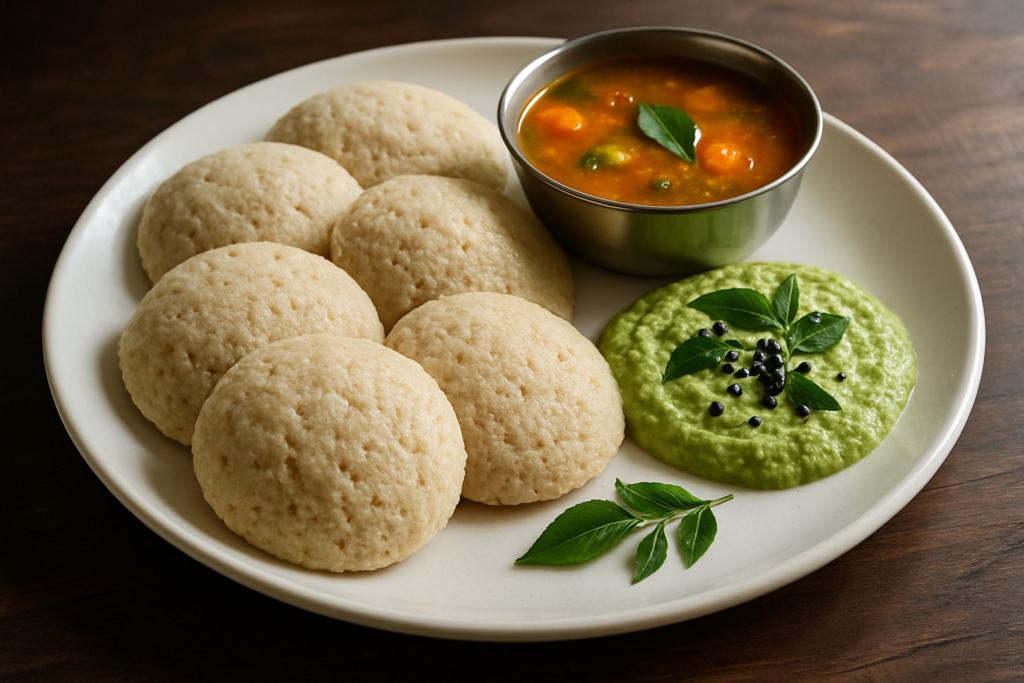
Oats Idli: Instant, No-Fermentation South Indian Breakfast
This oats idli recipe requires zero fermentation and comes together in about 30 minutes. Rolled oats are roasted, coarsely ground, mixed with thick curd and spices, leavened with fruit salt, and steamed until soft and fluffy. The result is a genuinely light, satisfying breakfast that’s diabetic-friendly and nutritionally superior to traditional rice idli — without tasting like a compromise.
Prep Time: 15 minutes | Cook Time: 15 minutes | Total Time: 30 minutes | Servings: 4 (makes 12–14 idlis)
This oats idli recipe requires zero fermentation and uses rolled oats blended with curd and a few pantry spices. Steamed until fluffy and light, they’re soft, satisfying, and genuinely diabetic-friendly. Perfect for busy weekday mornings when you want something nourishing without the fuss.
Why You’ll Love This Oats Idli Recipe
- Zero fermentation required — No planning ahead, no waiting overnight. Batter to plate in 30 minutes.
- Genuinely diabetic-friendly — Oats are packed with beta-glucan fiber that slows glucose absorption, making this a far smarter choice than traditional rice idli.
- High in protein and fiber — The combination of oats, curd, and vegetables makes these surprisingly filling. You won’t be hungry again by 10 AM.
- Flexible and forgiving — You can add or skip vegetables, make it Jain, make it vegan — this recipe bends to your needs.
Ingredients You’ll Need for This Healthy Idli Recipe
Nothing fancy here. Most of these will already be sitting in your pantry.
- Quick-cooking rolled oats (1 cup): Quaker or any supermarket brand works perfectly. For the Indian diaspora abroad: Any rolled oats or old-fashioned oats from a Western supermarket are totally fine. Just avoid steel-cut oats — they won’t blend properly and will make the idlis gritty.
- Fine semolina/rava/sooji (1/2 cup): This adds a slight bite and helps bind the idlis. To make it completely oat-based (better for diabetics), simply use 1.5 cups of oats total and skip the rava entirely.
- Thick curd/yogurt (1/2 cup): It must be thick — the kind that sits in a mound rather than spreading. Greek yogurt works brilliantly if you’re making this abroad. The sourness activates beautifully with Eno.
- Fruit salt / Eno (1 teaspoon): This is your leavening agent and what makes the batter light and airy without fermentation. Can’t find Eno abroad? Use 1/2 teaspoon baking soda — the idlis will be slightly denser but still great.
- Fresh curry leaves: Please, please use fresh ones if you can. Dried curry leaves are a pale shadow of the real thing. Indian grocery stores in most major Western cities carry them fresh.
- Coconut oil (1 tbsp): Optional but highly recommended. It adds a subtle South Indian flavour that feels authentic. Any neutral oil works too.
Step-by-Step Oats Idli Recipe (The Method That Actually Works)
- Roast the oats: Dry roast the oats in a pan on medium heat for 3–4 minutes, stirring constantly, until they smell nutty and turn very slightly golden. Let them cool completely — this step makes a real difference in texture, so don’t skip it.
- Coarse-powder the oats: Once cool, blitz the roasted oats in a mixer or blender to a coarse powder. It should feel like coarse semolina — not a fine flour. Transfer to a mixing bowl.
- Make the batter base: Add the semolina to the same bowl, then pour in the curd and mix well. Add about 1/4 cup water and stir to a thick, pourable batter. Let this rest for 10 minutes — the oats and rava will absorb the moisture and swell up beautifully.
- Prepare the tempering: While the batter rests, heat 1 tablespoon of oil in a small tadka pan. Add mustard seeds and wait for them to splutter — you’ll hear that satisfying pop. Add cumin seeds, curry leaves, green chili, and grated ginger. Stir for 30 seconds until fragrant, then take off the heat.
- Combine everything: Pour the tempering over the rested batter. Add the chopped carrots, capsicum, coriander, and salt. Mix everything together. The batter should be thick but still spoonable — if it feels too stiff, add a splash more water.
- Heat your steamer: Set your idli steamer or pressure cooker (without the weight) with water on medium-high heat. Grease your idli molds generously with oil or a few drops of water on your fingers.
- Add Eno at the last moment — this is crucial: Just before you pour the batter into molds, add the fruit salt to the batter and stir quickly but gently for about 20 seconds. You’ll see it foam and rise — that’s exactly what you want. Work fast now!
- Fill the molds: Pour the batter immediately into the greased idli molds, filling each cavity about 3/4 full. Place the molds in the steamer.
- Steam to perfection: Steam on medium-high heat for 12–14 minutes. To check if done, insert a toothpick — it should come out clean with no wet batter. The idlis will look slightly risen and set on top.
- Rest and serve: Turn off the heat and let the idlis rest in the steamer for 2 minutes — this helps them release cleanly. Use a wet spoon to scoop them out. Serve hot with coconut chutney and sambar.
Tips for Perfect Oats Idli Every Time
- Roasting is non-negotiable: Raw oats have a slightly raw, floury smell that comes through in the final idli. Two minutes of roasting transforms the flavour entirely.
- Room temperature curd only: Cold curd straight from the fridge slows down the reaction with Eno and gives you denser idlis. Take the curd out 20–30 minutes before you start.
- Add Eno at the very end: The moment Eno hits the batter, a chemical reaction begins. If you add it too early and then faff around greasing molds, you’ll lose all that airy lift. Molds ready, steamer hot, THEN add Eno.
- Don’t over-steam: 12–14 minutes is enough. Steaming for 20+ minutes “just to be safe” produces rubbery hockey pucks. Set a timer.
- The resting step matters: Those 2 minutes of rest off the heat before you unmold are doing real work — the steam inside settles, the idlis firm up slightly, and they release cleanly without tearing.
Oats Idli vs Rava Idli — Which One Should You Make?
Rava idli is a Bangalore café classic — MTR made it famous, and it has a particular richness from ghee and cashews that’s genuinely hard to beat. It’s slightly denser, a bit more savoury, and pairs extraordinarily well with a spicy coconut chutney.
Oats idli, on the other hand, is lighter, softer, and nutritionally superior. Oats have been cultivated for over 3,000 years and their fiber content is genuinely impressive — the beta-glucan helps manage cholesterol and blood sugar in ways that semolina simply cannot. For everyday breakfasts, especially if you’re watching your glycemic load, oats idli wins. For a special Sunday breakfast when nutrition takes a backseat to pure indulgence? Make rava idli. I know purists will disagree with me putting them in the same conversation, but honestly, they’re both delicious and both deserve a place in a South Indian kitchen.
Also — see my classic MTR-style rava idli recipe if you want to make that version too!
Variations (Because One Recipe Should Serve Everyone)
Jain / No Onion No Garlic Oats Idli
This recipe is already no-onion-no-garlic! Just skip the green chili or swap it for a pinch of asafoetida (hing) in the tempering for warmth without any alliums.
Vegan Oats Idli
Replace the dairy curd with coconut yogurt or unsweetened soy yogurt — the thicker the better. It works surprisingly well.
Gluten-Free Oats Idli
Skip the semolina entirely and use certified gluten-free oats (regular oats can have cross-contamination). Use 1.5 cups of gluten-free oats. The texture is slightly more tender but completely delicious.
Extra High-Protein Version
Add 2 tablespoons of roasted chana dal powder or a tablespoon of unsweetened protein powder to the batter. You won’t taste it, but your macros will thank you.
Spinach Oats Idli
Blend a small handful of baby spinach with the curd before mixing into the batter. The idlis turn a gorgeous pale green colour — a great way to add greens to the meal.
What to Serve With This Diabetic-Friendly South Indian Breakfast
Oats idli is fairly mild and earthy on its own, so a punchy accompaniment really brings it alive. Here’s what pairs well:
- Coconut Chutney: The classic. Fresh coconut, green chili, ginger, coriander, and a mustard-curry leaf tadka on top. Creamy, cooling, and the best thing to happen to idli. See my easy coconut chutney recipe here.
- Sambar: A thin, tangy, vegetable-packed lentil soup that you can either dip the idlis into or pour directly over them. Sambar adds protein and fiber without much added fat.
- Tomato Chutney: If you want something with more zing and a bit of heat, a quick tomato-onion chutney works beautifully as an alternative to coconut chutney. Check out my spicy tomato chutney recipe.
Storage and Reheating
Oats idlis keep well — better, honestly, than regular rice idlis which can turn hard by the next day.
- At room temperature: Oats idlis stay soft for about 4–5 hours at room temperature, covered with a lid or damp cloth.
- Refrigerator: Store in an airtight container for up to 2 days. They’ll firm up in the fridge — that’s normal.
- Reheating: The absolute best way to reheat is to re-steam them for 3–4 minutes. They’ll come back to life beautifully. Microwaving works in a pinch — sprinkle a few drops of water over them, cover with a damp paper towel, and microwave for 30–40 seconds.
- Freezing: Freezing oats idli is not recommended — the texture changes too much and they become a bit pasty when thawed. A fresh batch takes all of 30 minutes anyway.
Frequently Asked Questions About This Oats Idli Recipe
Can I make oats idli without semolina (rava)?
Yes, absolutely! Use 1.5 cups of oats instead of 1 cup oats plus 1/2 cup rava. The texture will be slightly softer and a little denser, but still very tasty. The all-oats version is preferable for diabetics since semolina has a higher glycemic index.
Can I use steel-cut oats instead of rolled oats?
Steel-cut oats are too hard and coarse for this recipe. They won’t blend well and the idlis will turn out gritty and dense. Stick to quick-cooking rolled oats or instant oats for the best, softest results every time.
Why did my oats idli turn out hard or rubbery?
A few reasons this can happen: over-steaming is the most common culprit — 12–14 minutes is plenty, no more. Or the batter was too thick. Also, make sure you’re using fresh curd at room temperature, not cold straight from the fridge. And always use a fresh packet of Eno — an old one that’s been open for months loses its leavening power and the idlis will fall flat.
How is this oats idli recipe different from rava idli?
Rava idli is made primarily with semolina (sooji) and is a Bangalore restaurant classic — rich, slightly tangy, and very filling. Oats idli swaps most or all of the rava for oats, giving it higher fiber content, a lower glycemic index, and more protein. The texture of oats idli is a little softer, and the flavour slightly earthier. Both are instant and need no fermentation, but oats idli clearly wins on nutrition.
Is this oats idli recipe truly suitable for people with diabetes?
Yes — oats are a well-established low-GI food, and the beta-glucan fiber they contain slows down glucose absorption considerably. This makes oats idli a far smarter morning choice than regular rice idli or white bread. If you skip the semolina and go all-oats, it’s even better for blood sugar management. That said, portion size still matters, and checking with your doctor or dietitian about your specific dietary needs is always recommended.