Bihari Vegetarian Recipes: 15 Traditional Dishes Including Litti Chokha, Sattu Paratha and More
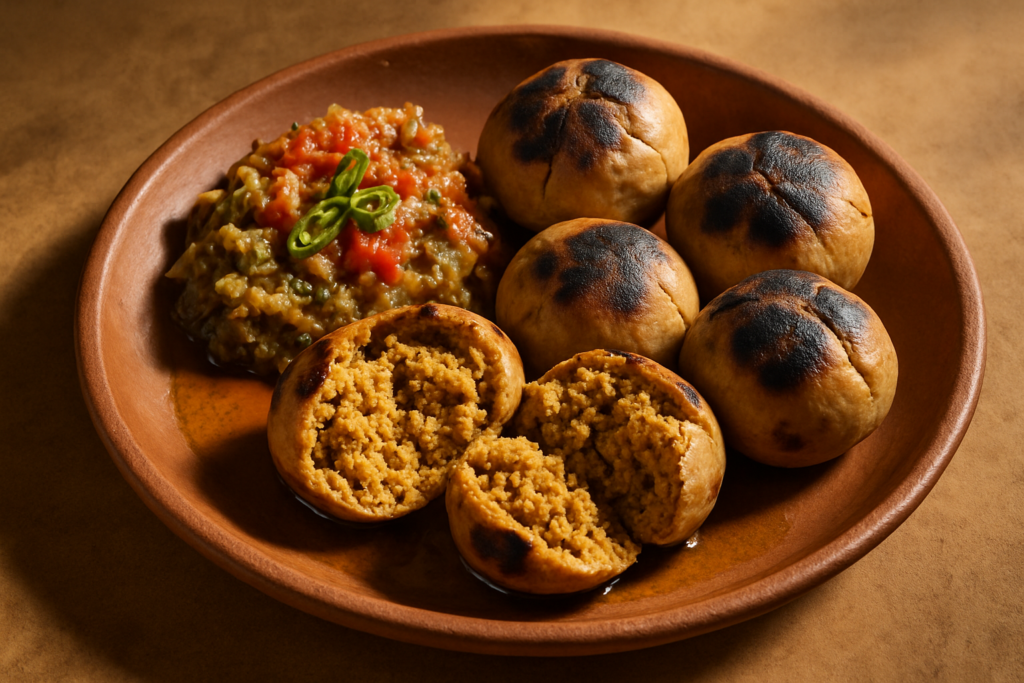
Bihari vegetarian cooking is built on sattu (roasted gram flour), mustard oil, ajwain, and fire. The flavour profiles — smoky, mustardy, nutty — are unlike anything else in Indian cuisine. This guide covers 15 traditional dishes, from the iconic litti chokha to sattu paratha, dal pitha, chana ghugni, and more, with a full detailed recipe for litti chokha and sattu paratha, plus quick guides for the rest.
Quick Recipe Details: Litti Chokha (The Star of Bihari Vegetarian Recipes)
- Prep Time: 40 minutes
- Cook Time: 50 minutes
- Total Time: 1 hour 30 minutes
- Servings: 4
Litti chokha is Bihar’s most iconic dish — wheat flour balls stuffed with spiced sattu (roasted gram flour), cooked over fire and dunked in ghee, served with a smoky roasted brinjal and tomato chokha. It is hearty, deeply flavourful, and unlike anything else you’ve had in Indian cuisine.
Why You’ll Love These Bihari Vegetarian Recipes
- Genuinely different: If you’re tired of the same dal-sabzi rotation, Bihari food will feel like a complete revelation. The flavour profiles — smoky, mustardy, nutty — are unlike anything else in Indian cooking.
- High protein, naturally: Sattu (roasted gram flour) is the backbone of Bihari cooking, and it is one of the most protein-rich, cooling, and energising ingredients out there. Chickpea flour’s impressive nutritional profile makes sattu-based dishes genuinely nourishing.
- Mostly beginner-friendly: Outside of litti (which needs a little practice to seal properly), most Bihari dishes are simple and forgiving.
- Pantry-friendly ingredients: Whole wheat flour, chana dal, mustard oil, basic spices — that’s basically all you need for most of these dishes.
- Vegetarian by tradition: Bihar has a deeply rooted vegetarian food culture, especially around festivals and auspicious occasions, so the vegetarian repertoire is enormous and incredibly satisfying.
The 15 Traditional Bihari Vegetarian Recipes You Need to Know
Here is the complete list of the 15 dishes covered in this guide. Think of this as your Bihari food education.
- Litti Chokha
- Sattu Paratha
- Dal Pitha
- Chana Ghugni
- Bihari Dal Baati
- Sattu Sharbat (the cooling drink)
- Thekua
- Kadhi Badi
- Aloo Chokha
- Silbatta Chutney
- Lauki Chana Dal
- Baigan Bharta Bihari Style
- Matar Nimona
- Sattu Ladoo
- Khichdi with Ghee and Papad (the soul food version)
Recipe 1: Litti Chokha — The Crown Jewel of Bihari Vegetarian Recipes
Ingredients You’ll Need for Litti Chokha
For the Litti (makes about 12–14 pieces):
- 2 cups whole wheat flour (atta) — use a medium-coarse flour if possible
- 1 tsp ajwain (carom seeds)
- 1 tsp kalonji (nigella seeds)
- Salt to taste
- Water to knead
For the Sattu Filling:
- 1 cup sattu (roasted Bengal gram flour) — abroad? Find it at South Asian stores or order online. Dry-roasted besan is the closest substitute.
- 2 tbsp mustard oil — abroad? Cold-pressed mustard oil is available at Indian/Bangladeshi grocery stores. Don’t skip it — it’s essential to the flavour.
- 2 tbsp finely chopped green chillies
- 1 tsp grated ginger
- 2 tbsp fresh coriander, chopped
- 1 tsp lemon juice
- Salt to taste
- 1 tsp mango pickle (aam achar) — optional but traditional
For the Chokha:
- 2 large brinjals (baingan/eggplant) — the big round variety works best
- 3 medium ripe tomatoes
- 4–5 garlic cloves (unpeeled, roast alongside the vegetables)
- 2 medium onions, finely chopped
- 1 tsp red chilli powder
- 2 tbsp mustard oil
- Fresh coriander and salt to taste
For Serving:
- 4 tbsp ghee (melted, for dunking) — vegan? Use mustard oil instead
Step-by-Step Litti Chokha Recipe
- Make the dough: In a large bowl, combine whole wheat flour, ajwain, kalonji, and salt. Add water little by little, kneading until you get a firm but smooth dough — firmer than roti dough, similar to puri dough. Cover with a damp cloth and rest for at least 20 minutes. This resting is important — it makes the dough easier to work with and prevents cracks when you stuff it.
- Prepare the sattu filling: In a separate bowl, mix the sattu with green chillies, ginger, coriander, lemon juice, mustard oil, and salt. Add water, one teaspoon at a time, mixing as you go. The filling should be moist enough to hold its shape when squeezed — like damp sand. If you’re adding pickle, chop it finely and mix it in now. Taste the filling. It should be punchy, a little sour, and fragrant. Adjust salt and lemon.
- Shape the littis: Divide the dough into balls roughly the size of a golf ball — about 12–14 pieces. Take one ball and flatten it in your palm into a thick circle (not thin — you need the thickness to hold the filling). Place a generous tablespoon of sattu filling in the center. Now bring the edges up and over the filling, pinching and sealing tightly at the top. Roll gently between your palms to get a smooth ball. This is where beginners struggle — make sure there are zero cracks or gaps in the dough, or the filling will spill out during cooking and make a mess.
- Cook the littis (oven method): Preheat your oven to 200°C (400°F). Place shaped littis on a baking tray and bake for 35–40 minutes, turning once at the 20-minute mark. They should be golden-brown and slightly cracked on the outside when done. A few dark spots are fine — that char is flavour.
- Cook the littis (tawa method): Heat a heavy tawa or cast iron pan over medium-low heat. Place littis on the tawa and cook covered, turning every 4–5 minutes, for about 25–30 minutes total. They’ll get a mottled, golden-brown surface. Not quite as dramatic as the oven version, but the taste is great.
- Roast the vegetables for chokha: Place brinjals and tomatoes directly on the gas flame or under a broiler. Use tongs to turn them every 2–3 minutes. The skin should blister and char completely — don’t rush this step. It takes about 10–15 minutes for the brinjal and 6–8 minutes for the tomatoes. Roast garlic cloves alongside. The brinjal is done when it completely collapses and feels soft all the way through when pressed.
- Make the chokha: Let the roasted vegetables cool enough to handle. Peel off all the charred skin — this can be done under a light stream of running water. Place the peeled brinjal, tomatoes, and garlic in a bowl and mash roughly with your hands or a fork. Add chopped onions, red chilli powder, mustard oil, coriander, and salt. Mix together. The texture should be chunky and rustic — not smooth. Taste and adjust seasoning. A good chokha is deeply smoky, mustardy, and spicy.
- The ghee dunk (do not skip this): As soon as your littis come out of the oven or tawa, dunk each one into a bowl of warm melted ghee for about 10 seconds. This is the step that transforms litti from a simple stuffed bread into something extraordinary. The ghee soaks into the slightly porous outer layer and adds a richness that balances the earthy sattu filling perfectly.
- Serve immediately: Place 2–3 ghee-soaked littis on each plate. Press your thumbs into the top of each litti to crack it open, pour in a tiny bit of extra ghee, and serve with a big scoop of chokha alongside. In Bihar, this is often eaten with hands, using pieces of the litti to scoop up chokha.
Recipe 2: Sattu Paratha — An Everyday Bihari Vegetarian Recipe
If litti chokha is the celebration dish, sattu paratha is the everyday hero. It travels well, keeps you full for hours, and comes together in under 30 minutes.
Sattu Paratha Ingredients
- 2 cups whole wheat flour (for the dough)
- ¾ cup sattu
- 1 tbsp mustard oil
- 1 tsp ajwain
- 2 green chillies, finely chopped
- 1 tsp grated ginger
- 2 tbsp fresh coriander, chopped
- ½ tsp red chilli powder
- 1 tsp lemon juice
- Salt to taste
- Ghee or oil for cooking
How to Make Sattu Paratha
- Knead the wheat flour with salt and water into a soft, smooth dough (softer than litti dough). Rest for 15 minutes.
- Mix sattu with mustard oil, ajwain, green chillies, ginger, coriander, red chilli powder, lemon juice, and salt. Add a tablespoon of water if needed to make it crumbly but cohesive — the sattu filling for paratha should be drier than for litti.
- Divide dough into balls. Roll one into a small disc, place filling in center, seal edges, and flatten gently. Roll out with a rolling pin into a paratha — go slowly, the filling can make it crack at first. If it cracks, just pinch it closed and keep rolling.
- Cook on a hot tawa with ghee, pressing gently, until both sides are golden and the paratha is cooked through — about 3–4 minutes per side on medium heat.
- Serve hot with yoghurt, pickle, or aloo chokha (recipe below).
Recipe 3: Dal Pitha — Bihar’s Beloved Dumpling
Dal pitha is basically Bihar’s version of a steamed dumpling — rice flour dough stuffed with spiced chana dal, steamed or sometimes shallow-fried. It’s a fantastic snack and a great example of Bihar’s distinct regional cuisine that uses simple ingredients in brilliant ways. The version below is steamed, which is the traditional approach.
- Dough: 1.5 cups rice flour + hot water + salt, kneaded into a firm dough
- Filling: 1 cup soaked and ground chana dal, tempered with mustard seeds, ginger, green chillies, cumin, and salt
- Method: Shape small discs of dough, fill with dal mixture, fold and seal into half-moon shapes. Steam for 15–18 minutes until the dough is cooked through and slightly translucent.
- Serve with a pungent green coriander-garlic chutney. The contrast of the bland rice casing with the punchy filling is the whole point.
Recipes 4–7: Quick Bihari Vegetarian Recipes Guide
4. Chana Ghugni
A spicy, tangy white peas or black chana curry that’s eaten as a street food snack in Bihar. Pressure cook soaked kala chana until tender, then cook in a tomato-onion masala with whole spices, chilli powder, and a squeeze of lemon. Garnish with raw onion, green chilli, and coriander. Serve with litti or on its own as a snack. This one requires zero fat-heavy ingredients but tastes incredibly robust.
5. Bihari Dal Baati
I know purists will disagree with me here, but Bihari dal baati is genuinely different from Rajasthani dal baati. The baati dough in Bihar uses less ghee and sometimes incorporates sattu into the dough itself. It’s served with a thinly spiced arhar (toor) dal rather than the rich panchmel dal of Rajasthan. The result is lighter, nuttier, and in my opinion, just as satisfying. See my full Bihari dal baati recipe here.
6. Sattu Sharbat
This is not a food — it’s a drink — but you must know about it. Mix 2 tbsp sattu into a glass of cold water with black salt, roasted cumin powder, and a squeeze of lemon. This is Bihar’s original cooling electrolyte drink, consumed in peak summer. It works better than most sports drinks. Try it once and you’ll understand.
7. Thekua
A traditional fried wheat flour and jaggery cookie that is inseparable from Chhath Puja in Bihar. The dough is made with wheat flour, crushed jaggery, fennel seeds, and ghee — shaped with carved wooden moulds and deep-fried until golden and crisp. They stay fresh for days and taste like the most comforting biscuit you’ve ever had. My full thekua recipe is here.
Recipes 8–15: The Rest of the Bihari Vegetarian Repertoire
8. Kadhi Badi
Bihar’s kadhi is thinner and tangier than Punjabi kadhi — the yoghurt base is lighter on besan and the badi (fried lentil dumplings) are smaller and crispier. A quick mustard seed and curry leaf tadka is added at the end. Serve over steamed rice.
9. Aloo Chokha
The simplest chokha of all — boiled potatoes, roughly mashed with raw onion, green chillies, mustard oil, and fresh coriander. No cooking required beyond boiling the potatoes. This is what you eat when you don’t have brinjal for proper chokha, or when you want a quick side dish for sattu paratha.
10. Silbatta Chutney
Ground on a stone (silbatta), not a mixer-grinder. Fresh green chillies, garlic, coriander, and raw tomato — pounded with salt into a coarse, fiery paste. The texture you get from stone-grinding is completely different from a blender. If you have a mortar and pestle, use that. It will change the chutney.
11. Lauki Chana Dal
Bottle gourd cooked with chana dal in a simple cumin-ginger-tomato base, finished with a mustard oil tadka and fresh coriander. The lauki gets almost silky when cooked with the dal and the result is a gentle, nourishing meal that is perfect with rice or roti. Don’t underestimate this one — it is so much better than it sounds.
12. Baigan Bharta Bihari Style
Similar to Punjabi bharta but made with mustard oil, raw onion, and absolutely no cream or butter. The roasted brinjal is mashed with mustard oil, raw garlic, green chillies, and salt — more chokha than bharta, really. It is aggressively flavoured and completely addictive.
13. Matar Nimona
A fresh green pea curry that is winter-specific and absolutely brilliant. Coarsely grind fresh green peas (not completely smooth) and cook with a ginger-green chilli base, whole spices, and water. The result is a vibrant green, thick curry with a fresh, slightly starchy pea flavour that is unlike any other pea dish. Serve with puri or rice. Full matar nimona recipe here.
14. Sattu Ladoo
Roasted sattu mixed with jaggery, ghee, and cardamom powder — rolled into balls. Takes 10 minutes, requires no cooking, and is one of the most genuinely energising sweet snacks around. Great for children’s lunchboxes or anyone who needs a 3pm energy fix without the sugar crash.
15. Khichdi with Ghee and Papad
Every Indian cuisine has its version of khichdi, but Bihar’s is particularly good — made with a higher rice-to-dal ratio (usually 2:1 rice to moong dal), cooked with just cumin, a bay leaf, and turmeric until it is thick and comforting. Served with a generous pour of ghee on top and a freshly roasted papad on the side. This is Bihari soul food at its most honest.
Tips for Perfect Bihari Vegetarian Recipes Every Time
- Do not skip mustard oil: In Bihari cooking, raw mustard oil is often used deliberately. That pungency is part of the dish. Start with a small amount if you’re not used to it, but please don’t substitute with a neutral oil. The flavour will be completely different.
- Seal littis properly: The most common litti mistake is cracks in the dough. Keep your dough slightly on the firmer side and seal each ball carefully before baking. If you see a crack, just pinch it closed. A well-sealed litti will puff slightly during baking — that’s a good sign.
- Char is your friend: Don’t be scared of the dark, blistered skin on your brinjals and tomatoes for chokha. That char is where the smoky flavour lives. Fully charred outside means perfectly cooked inside. Pale and slightly blistered means underdone and bitter-tasting chokha.
- Taste the sattu filling before stuffing: Sattu has its own earthy flavour and can absorb a lot of salt and acid. Always taste the filling and adjust before you stuff the littis. Once baked, you can’t fix the seasoning.
- Serve immediately: Litti especially is at its absolute best straight out of the oven and immediately dunked in ghee. Within 15 minutes it starts to lose its magic. Plan your timing so everything is ready together and eat without delay.
Variations for Different Dietary Needs
Jain / No-Onion No-Garlic Bihari Recipes
Skip onion from the chokha and garlic from the sattu filling. Add a pinch of asafoetida (hing) to the sattu filling for warmth, and use extra ginger and green chillies to compensate for the missing alliums. The litti itself is naturally Jain-friendly.
Vegan Bihari Recipes
All the dishes listed here are naturally plant-based except for the ghee. Replace ghee with mustard oil throughout — for dunking littis, for cooking parathas, for serving khichdi. The flavour profile actually works beautifully with extra mustard oil.
Gluten-Free Bihari Recipes
Dal pitha (rice flour dough) and chana ghugni are naturally gluten-free. For sattu paratha and litti, you can experiment with a jowar (sorghum) flour dough, though the texture will be more crumbly and you’ll need to handle the dough gently. Khichdi, sattu sharbat, and sattu ladoo are all gluten-free as well.
What to Serve With These Bihari Vegetarian Recipes
- Silbatta Chutney: The coarse stone-ground green chutney cuts through the richness of ghee-dunked litti and adds freshness to the sattu paratha.
- Roasted Papad: A simple moong dal papad roasted over flame is the most traditional accompaniment to Bihari khichdi and also goes beautifully with aloo chokha.
- Buttermilk (Chaas): A simple salted and cumin-spiced chaas helps balance the heaviness of a full litti chokha meal. Or just make the sattu sharbat — it serves the same purpose with more nutritional punch.
Storage and Reheating
Litti: Store baked (un-dunked in ghee) littis in an airtight container at room temperature for up to 1 day, or refrigerate for up to 3 days. Reheat in an oven at 180°C for 10 minutes or in an air fryer for 6–8 minutes. Dunk in ghee freshly each time.
Chokha: Refrigerate in an airtight container for up to 2 days. The flavour actually improves on day two as the smokiness deepens. Bring to room temperature before serving — do not heat it, it’s meant to be served at room temperature or slightly cool.
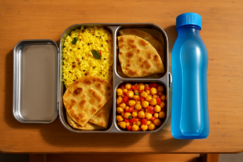
Sattu Paratha: Wrap in foil and refrigerate for up to 2 days. Reheat on a tawa with a tiny bit of ghee or oil over medium heat until warmed through. These also make excellent lunchbox items as they travel well and taste good at room temperature.
Sattu Filling and Dough: The sattu filling can be refrigerated for up to 3 days in an airtight container. Raw litti dough should be used within a few hours — cover it well so it doesn’t dry out.
Frequently Asked Questions About Bihari Vegetarian Recipes
Can I make litti chokha without an oven or open flame?
Absolutely. You can cook littis on a heavy-bottomed tawa (griddle) over medium-low heat, turning them every 3–4 minutes for about 25–30 minutes. They won’t get that charred smokiness from an oven, but the taste is still wonderful. An air fryer at 190°C for 18–20 minutes also works surprisingly well for a crispier exterior.
What is sattu and where can I buy it outside India?
Sattu is roasted Bengal gram (chana dal) flour — it has a nutty, earthy flavour and is incredibly nutritious. Outside India, you can find it at most South Asian grocery stores or order online. In a pinch, roasted chickpea flour (besan that has been dry-roasted in a pan for 5–6 minutes) is a reasonable substitute, though it won’t be identical.
Is litti chokha vegan?
The litti dough and sattu filling are naturally vegan. The chokha is also vegan as long as you use mustard oil. The only non-vegan element is the ghee used for dunking and serving. Simply replace ghee with extra mustard oil or a neutral oil for a fully vegan version — it’s still delicious.
How is Bihari litti different from Rajasthani baati?
Great question — they look similar but are quite different. Baati is made from a richer, sometimes unleavened dough and served with dal and churma. Litti is stuffed with a spiced sattu mixture and has a distinctly lighter dough. The sattu filling and the smoky chokha accompaniment are what make litti uniquely Bihari. The mustard oil in the filling also gives litti a pungency you won’t find in baati.
Can the litti dough and filling be made ahead of time?
Yes! The sattu filling actually improves after sitting for an hour as the spices meld together. You can refrigerate it for up to 2 days. The dough can be made a few hours ahead and kept covered at room temperature. Shaping and baking fresh is recommended though — reheated littis lose some of their crunch unless you warm them in the oven or air fryer.