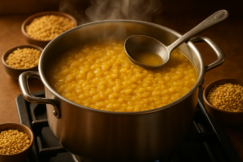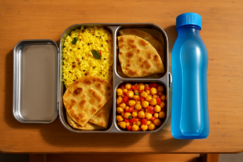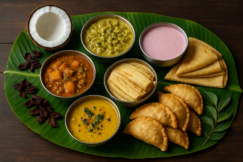
Jain Recipes Indian: 25 Delicious No-Onion No-Garlic No-Root-Vegetable Dishes You’ll Actually Crave
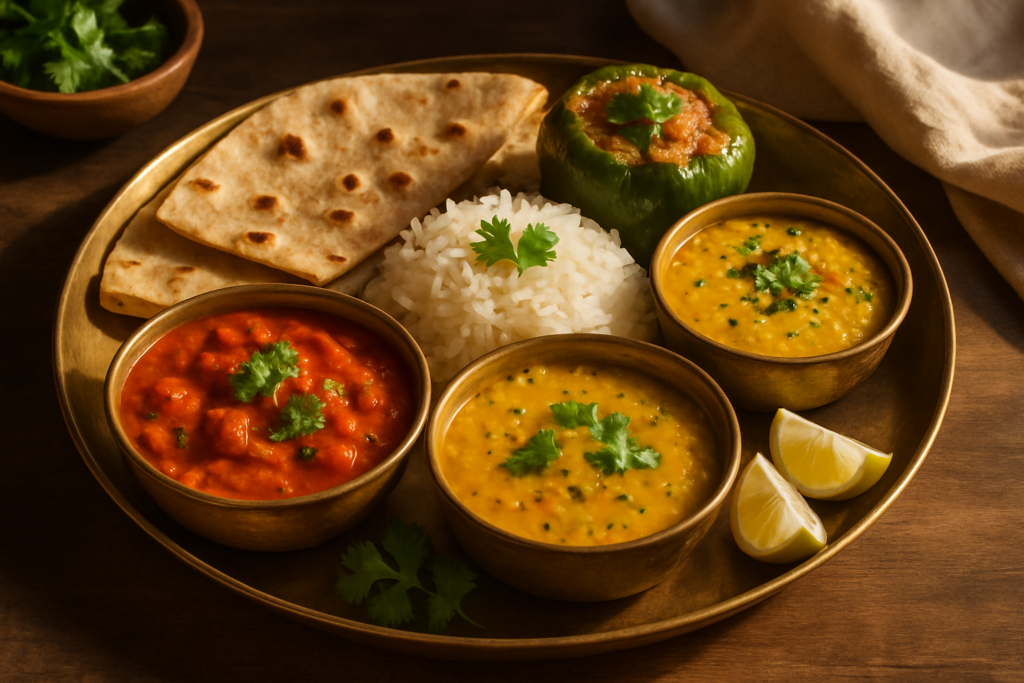
Jain Recipes Indian Grandmothers Have Been Making for Centuries
Jain cooking avoids onion, garlic, and all root vegetables — yet produces some of the most layered, flavorful dishes in the Indian repertoire. This post covers 25 no-onion, no-garlic, no-root-vegetable recipes from everyday dal to festival snacks, plus a detailed step-by-step recipe for Jain Chole: a tangy, deeply spiced chickpea curry built on asafoetida, ginger, tamarind, and dried mango powder.
Prep Time: 20 minutes (plus overnight soaking) | Cook Time: 35 minutes | Total Time: 55 minutes | Servings: 4
A bold, tangy, deeply spiced chickpea curry made completely without onion, garlic, or any root vegetables. The secret weapon is a combination of asafoetida, ginger, tamarind, and dried mango powder that creates incredible depth. Perfect for everyday meals and Jain festival cooking alike.
Why You’ll Love These Jain Recipes Indian Style
- Genuinely flavorful: These aren’t compromise dishes. They’re dishes that have been refined over centuries by communities for whom this is simply how food is made — and it shows in every bite.
- Perfect for multiple dietary needs: No onion, no garlic means these recipes work for Jains, people observing Ekadashi or Navratri vrats, and anyone following a satvik diet.
- Easier on digestion: Many people find that garlic and onions cause bloating — these recipes are naturally gentler on the gut.
- Great for Indian diaspora abroad: When you can’t find fresh curry base ingredients or just ran out of onions, these techniques using whole spices, ginger, and dried souring agents will save dinner.
- Teaches you new flavor-building skills: Learning to build a masala without the onion-garlic base makes you a fundamentally better cook. It’s like learning to draw without a pencil — when you get the pencil back, you’re unstoppable.
The 25 Best Jain Recipes Indian Kitchens Love — A Complete List
Before we dive into the detailed chole recipe, here’s your master list. Organized by category so you can find exactly what you need.
Jain Curry Recipes (Main Dishes)
- Jain Chole — The star of this post. Chickpeas in a tangy tomato-ginger gravy with amchur and tamarind.
- Jain Paneer Makhani — Yes, you can make makhani without onion. Cashew paste + extra tomatoes + ginger does the heavy lifting beautifully.
- Jain Rajma — Kidney beans simmered in a ginger-forward tomato gravy.
- Jain Kadhi — Yogurt and chickpea flour gravy tempered with cumin, mustard, and curry leaves. Tangy, silky, perfect over rice.
- Lauki Ki Sabzi — Bottle gourd cooked simply with ginger, cumin, and a touch of coriander. Underrated and deeply comforting.
- Jain Palak Paneer — Spinach and paneer with ginger and green chilies. (Note: avoided during some festival periods, but perfect for everyday Jain cooking.)
- Tinda Masala — Indian round gourd in a tomato-based spiced gravy. Find this at any Indian grocery store.
- Suran (Yam) Sabzi — Wait! This one is debated. Some Jain families do include elephant foot yam (ol/suran) as it grows above ground in some classifications. Check with your family’s tradition.
- Jain Bhindi Masala — Okra tossed with dry spices, amchur, and ginger. Crispy, not slimy, absolutely addictive.
- Capsicum Sabzi with Peanuts — Bell peppers cooked with roasted peanuts, sesame, and coconut. A Gujarati gem.
Jain Dal and Lentil Recipes
- Jain Dal Tadka — Yellow dal tempered with cumin, dried red chilies, hing, and a squeeze of lemon. Simple and soul-satisfying. See my full dal tadka recipe here.
- Panchmel Dal — Five lentils cooked together, a Rajasthani staple that’s naturally Jain-friendly.
- Moong Dal Khichdi — Rice and yellow moong dal cooked together with cumin and turmeric. The ultimate Jain comfort food.
- Chana Dal with Bottle Gourd — Split chickpeas cooked with lauki. Creamy, protein-rich, and hearty.
- Gujarati Toor Dal — Sweet-sour-spicy toor dal, the way it’s made in Gujarati Jain households with kokum or tamarind instead of any tomato-onion base.
Jain Festival Food and Snacks
- Muthiya — Steamed or fried dumplings made from chickpea flour and fenugreek leaves. A Gujarati snack.
- Jain Dhokla — Fermented chickpea flour steamed cake. Already Jain, already perfect. Check out my easy dhokla recipe.
- Sev Mamra — Puffed rice tossed with sev, roasted peanuts, dried coconut, and spices. The best trail mix you’ll ever eat.
- Khakhra — Thin, crispy Gujarati flatbreads. Great as a snack or with dal.
- Jain Samosa — Filled with spiced green peas and grated raw banana (instead of potato) wrapped in a flaky crust.
Jain Rice and Bread Recipes
- Jeera Rice — Cumin-tempered basmati rice. Sounds simple, tastes like heaven when done right.
- Jain Pulao with Mixed Vegetables — A fragrant one-pot rice dish with capsicum, peas, corn, and whole spices.
- Thalipeeth — Multi-grain flatbread from Maharashtra — naturally Jain in its traditional form.
- Puri — Deep-fried whole wheat bread, the classic partner to Jain chole.
- Missi Roti — Chickpea flour flatbread spiced with ginger and green chilies. High protein and incredibly satisfying.
Ingredients You’ll Need for Jain Chole
Here’s what goes into the detailed recipe below. Notes for the Indian diaspora cooking abroad are included.
- Chickpeas (Kabuli Chana): Dried and soaked overnight gives the best texture. Canned chickpeas work in a pinch — reduce cooking time by 15 minutes. Available everywhere.
- Fresh Ginger: Don’t use ginger paste from a jar here. Fresh grated ginger is completely different in this recipe — more floral and less sharp.
- Tomatoes: Use ripe, red tomatoes. In winter when tomatoes are bland, add a teaspoon of tomato paste to boost flavor.
- Asafoetida (Hing): This is your onion-garlic replacement. A tiny pinch goes a long way. Available at any Indian grocery store or on Amazon. Note for Jains: Make sure you buy “pure hing” — many commercial hing powders are mixed with wheat flour and maida. Look for gluten-free certified hing if required.
- Chana Masala: MDH or Everest brand work well. Outside India, any Indian grocery or Amazon carries these. You can also make your own with cumin, coriander, black pepper, amchur, and a touch of black salt.
- Amchur (Dried Mango Powder): Gives tartness without any root vegetable. No substitute is exact, but a tiny squeeze of lemon at the end works.
- Tamarind Paste: Available at most Asian grocery stores. If you can’t find it, use lemon juice — but the flavor will be lighter.
- Kasuri Methi: Dried fenugreek leaves. Available at Indian grocers. No close substitute, but you can skip it — the dish will still be excellent.
- Ghee: Use good quality cow’s milk ghee for authentic flavor. For a vegan version, substitute with coconut oil or refined oil.
How to Make Jain Chole — Step-by-Step
- Soak and boil the chickpeas: Soak 2 cups of dried chickpeas in plenty of cold water overnight — at least 8 hours. They’ll nearly double in size. Drain them, then transfer to a pressure cooker with fresh water (about 3 cups), a pinch of salt, and a single black cardamom. Pressure cook for 4-5 whistles on medium-high, then let the pressure release naturally. Open the lid — the chickpeas should be completely soft when you press one between your fingers. If there’s any resistance, cook for 2 more whistles. Reserve the cooking water. It’s liquid gold for your gravy.
- Prep your aromatics: While the chickpeas cool, finely grate your ginger (a microplane gives the finest texture so you don’t get fibrous bits in your gravy), slit your green chilies, and chop your tomatoes. Have all your spices measured out and ready. This dish moves quickly once the oil is hot.
- Build your base: Heat 2 tablespoons of ghee in a heavy-bottomed pan or kadai over medium heat. When the ghee shimmers, add the cinnamon stick and cloves. Stand back slightly — they’ll sizzle and pop. Let them go for about 30 seconds. You should smell that warm, woody fragrance immediately.
- Add cumin and ginger: Add the cumin seeds to the hot ghee. They’ll splutter vigorously — that’s exactly what you want. After 20 seconds, add a tiny pinch of asafoetida (hing), then immediately add your grated ginger and slit green chilies. Stir constantly for 1-2 minutes. The ginger will turn from pale yellow to a slightly golden color and the raw sharpness will mellow. This step is where all the flavor foundation is built — don’t rush it.
- Cook down the tomatoes: Add your chopped tomatoes with a pinch of salt (the salt helps them break down faster). Cook on medium heat, stirring every minute or so, for 8-10 minutes. You’re looking for the tomatoes to completely collapse and lose their shape, for the water to evaporate, and most importantly, for the oil to start visibly separating and pooling around the edges of the masala. This is called “bhunai” — and it’s non-negotiable. Under-cooked tomato masala is the number one reason homemade Indian curries taste flat and raw.
- Add the dry spices: Now add turmeric, coriander powder, cumin powder, red chili powder, and chana masala. Mix everything immediately and cook for 2-3 minutes, stirring constantly. The masala will look very dry and start sticking slightly to the bottom — that’s fine, keep stirring and add a tiny splash of water if it catches. You’re toasting the spices into the tomato paste, which deepens their flavor enormously.
- Add the chickpeas: Tip in your boiled chickpeas along with about 3/4 cup of the reserved cooking liquid. Stir thoroughly, making sure every chickpea is coated in that gorgeous dark spiced masala. The color should be a rich, earthy reddish-brown at this point.
- Add the souring agents: Add the tamarind paste and amchur powder. Stir well. The combination of amchur’s fruity tartness and tamarind’s deep, molasses-like sourness gives Jain chole its distinctive punch. Neither one alone quite gets there — I think using both is the right call, though I know purists may disagree.
- Simmer and thicken: Turn the heat to low and let the chole simmer uncovered for 10-12 minutes. Every few minutes, take the back of your spoon and press 4-5 chickpeas firmly against the side of the pan until they partially mash. These mashed chickpeas mix back into the gravy and thicken it naturally — no cornstarch, no cream needed. This is a classic Punjabi and Gujarati technique that makes all the difference in the texture.
- Finish and serve: Crush a generous pinch of kasuri methi between your palms and add it to the pot — crushing releases the oils in the dried leaves. Add garam masala. Stir and cook for just 2 more minutes. Taste your chole now. Does it need more salt? More tang? A pinch more chili? Adjust. Garnish lavishly with fresh coriander. Serve immediately with puri, bhatura (made without yeast if strictly Jain), or simple jeera rice.
Tips for Perfect Jain Chole Every Time
- Don’t skip the hing: It smells intense in the bottle — almost aggressively so. But once it hits hot oil, it transforms into something savory and almost umami-like. This is literally how Jain cooking mimics the depth that onion and garlic provide in other cuisines. Start with just a tiny pinch and increase to taste.
- Bhuno your masala properly: The moment you see oil separating from the tomato-spice mixture, you know you’ve built a proper masala base. This takes patience — 8-10 minutes minimum on medium heat. Everything downstream depends on this step.
- Use the chickpea cooking water: This starchy liquid adds body to the gravy and carries flavor from the spices cooked with the chickpeas. Don’t throw it down the drain.
- Let it rest: Like most Indian curries, Jain chole tastes even better after 20-30 minutes of resting. The spices continue to meld and the chickpeas absorb more flavor. If making this for guests, cook it 45 minutes ahead and gently reheat.
- Balance your sourness: The amchur and tamarind should make you pucker slightly — but not wince. If it’s too tart, add a pinch of sugar or jaggery to balance. This sweet-sour balance is very characteristic of Gujarati Jain cooking.
Variations for Different Dietary Needs
Strictly Jain (Paryushana-Friendly)
During Paryushana — the most sacred Jain festival — many Jains avoid green leafy vegetables and fresh tomatoes (since they contain seeds/micro-organisms). Replace tomatoes with a tangy tamarind and kokum water base. Increase amchur slightly for sourness, and add a splash of whey (the water from hung curd) for body. The dish transforms into something more austere but still deeply satisfying.
Vegan Jain Version
Simply replace ghee with coconut oil or refined sunflower oil. Everything else in this recipe is already vegan. The coconut oil adds a very subtle sweetness that works beautifully with the tangy gravy.
Gluten-Free Version
Check your hing! Most commercial hing is cut with wheat flour. Use pure, gluten-free certified asafoetida resin — available at specialty Indian stores. Serve with gluten-free rice flour flatbreads or just plain jeera rice.
Low-Oil Version
Reduce ghee to 1 teaspoon and add 2-3 tablespoons of water to the pan when cooking the tomatoes. You’ll need to stir more frequently to prevent sticking, but the dish will still be wonderfully flavored — the spices do most of the work.
What to Serve With Jain Chole
- Puri or Bhatura: The classic pairing. Deep-fried whole wheat puris make this a celebratory meal. For a lighter everyday version, use phulkas.
- Jeera Rice: Simple cumin-tempered basmati rice is the perfect carrier for this gravy. Here’s my foolproof jeera rice recipe.
- Kachumber Salad: A simple salad of diced cucumber, tomato, and fresh coriander with lemon juice and chaat masala cuts through the richness of the chole beautifully. And yes — kachumber is completely Jain-friendly.
Storage and Reheating
Refrigerator: Store in an airtight container for up to 3 days. The flavor actually improves after a day in the fridge — the chickpeas absorb more of the spiced gravy and every bite becomes more intensely flavored.
Freezer: Jain chole freezes beautifully for up to 2 months. Let it cool completely, then freeze in portion-sized containers. Thaw overnight in the fridge.
Reheating: Add 2-3 tablespoons of water before reheating to loosen the gravy (it thickens considerably when cold). Reheat in a pan on medium-low heat, stirring gently, rather than the microwave — the microwave tends to dry out the chickpeas. If reheating from frozen, thaw first and then reheat on the stovetop.
Frequently Asked Questions About Jain Recipes Indian Cooking
What vegetables are avoided in Jain cooking?
Jain cooking avoids all root vegetables — onion, garlic, potato, carrot, beetroot, radish, turnip, and even some tubers like yam. This is because harvesting root vegetables kills the entire plant and disturbs micro-organisms living in the soil. Jains also avoid leafy greens like spinach during certain festival periods due to the risk of harming tiny insects living in the leaves.
Can Jain recipes actually taste good without onion and garlic?
Absolutely yes. The secret is layering flavors through ginger, green chilies, asafoetida (hing), dried mango powder, tamarind, and whole spices. Many of the most celebrated dishes in Gujarat and Rajasthan are naturally Jain-friendly and they are absolutely bursting with flavor. The 25 recipes in this post are proof.
What is the best substitute for onion and garlic in Indian cooking?
Asafoetida (hing) is the number one substitute — it provides that pungent depth that onion and garlic usually contribute. A good pinch of hing in hot oil is transformative. Ginger provides heat and freshness, while green chilies add bite. For the sweetness that onions bring to a slow-cooked masala, cooking down extra tomatoes or adding a tiny pinch of sugar works beautifully.
Is Jain food the same as satvik food?
They overlap significantly but they’re not identical. Satvik food (from Ayurvedic tradition) also avoids onion and garlic as they are considered rajasic (stimulating) foods, but it doesn’t have the same strict rules about root vegetables that Jain cooking follows. Jain dietary restrictions are rooted in the principle of ahimsa (non-violence toward all living beings), which is more specific and comprehensive than satvik guidelines.
Which of these Jain recipes Indian families can make for Paryushana festival?
During Paryushana, many Jains avoid green vegetables entirely, sticking to dried lentils, beans, dairy, grains, and certain gourds. From this list, the safest and most traditional Paryushana dishes are: Moong Dal Khichdi, Panchmel Dal, Gujarati Toor Dal (with kokum instead of tomato), Khakhra, Sev Mamra, and a simple Jain Kadhi. The chole variation using kokum water instead of tomatoes works well for Paryushana — different from the standard version but genuinely lovely.