Sabudana Khichdi Recipe: Perfect Non-Sticky Tapioca Pearls Every Time
Sabudana Khichdi Recipe: Perfect Non-Sticky Tapioca Pearls Every Time
Sabudana khichdi turns sticky when the pearls are soaked in too much water. Get the soaking right — barely covered, 6–8 hours, then dried on a plate before cooking — and the rest of the method is straightforward. This recipe explains exactly what to do, why it works, and how to fix it if something goes wrong.
Prep Time: 10 minutes (plus 6–8 hours soaking)
Cook Time: 15–20 minutes
Total Time: 8 hours 30 minutes (mostly hands-off soaking)
Servings: 3
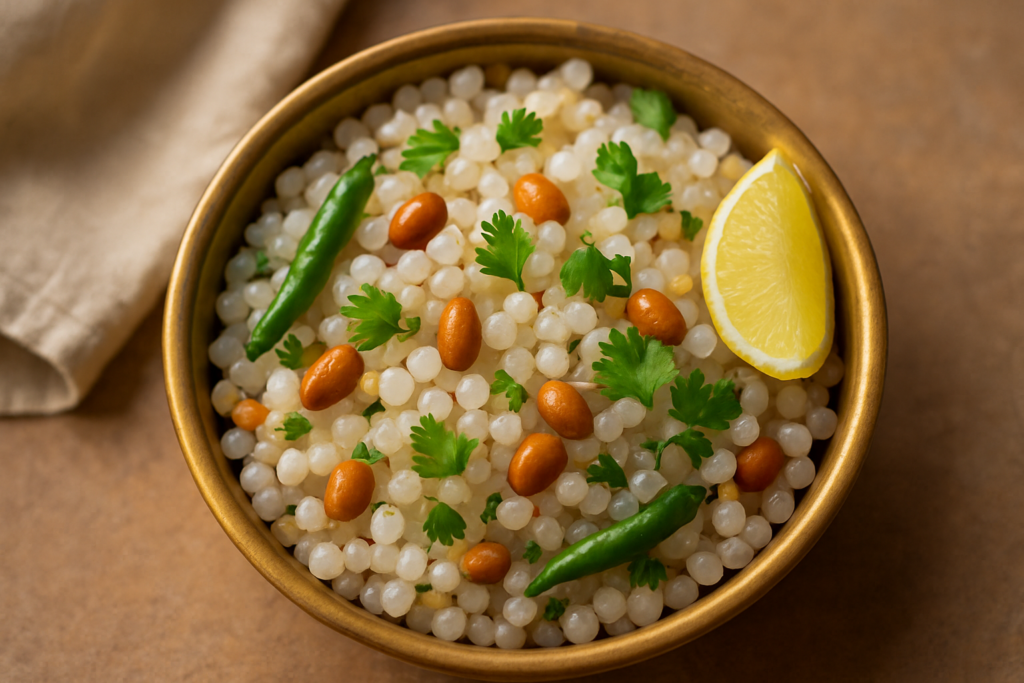
This sabudana khichdi recipe gives you fluffy, non-sticky, perfectly separated tapioca pearls every single time. It’s naturally gluten-free, vegan-friendly, and ideal for Navratri fasting or any light meal. The secret is in the soaking — get that right, and the rest takes care of itself.
Why You’ll Love This Sabudana Khichdi Recipe
- No more sticky blobs: The soaking method here ensures pearls separate beautifully instead of clumping into a gummy mass.
- Ready in under 20 minutes of actual cooking time — perfect for fasting mornings when you’re already tired and hungry.
- Naturally gluten-free and vegan (just skip the ghee and use peanut oil instead).
- A genuinely satisfying fasting meal — the roasted peanuts add protein and crunch, and the potatoes keep you full for hours.
- Versatile: Works as breakfast, a light lunch, or a Navratri tiffin, or as an evening snack with chai.
Ingredients You’ll Need for Sabudana Khichdi
- 1 cup sabudana (tapioca pearls) — Look for medium-sized pearls, not the large boba-style ones. In the UK, US, or Australia, check Indian grocery stores or Amazon. The brand matters less than the size — medium pearls soak more evenly. Learn more about tapioca and its origins here.
- ¾ cup roasted peanuts, coarsely crushed — Roast raw peanuts yourself in a dry pan for the best flavour. Pre-roasted salted peanuts work in a pinch — just skip the salt in the recipe.
- 2 medium potatoes, boiled and cubed — Boiling these the night before saves time on fasting mornings.
- 2 tablespoons ghee — Or use peanut oil for a vegan version. Ghee gives a richer flavour.
- 1 teaspoon cumin seeds (jeera)
- 2–3 green chillies, finely chopped — Adjust to your heat preference. During fasting, green chillies are allowed; red chilli powder generally isn’t.
- 1 teaspoon sugar — Don’t skip this. It balances the starch and adds a subtle sweetness that makes this dish taste complete.
- Rock salt (sendha namak) to taste — This is the fasting-appropriate salt. If you’re not fasting, regular salt works fine.
- 2 tablespoons fresh lemon juice
- 2 tablespoons fresh coriander/cilantro, chopped
- Optional: 8–10 curry leaves — Not everyone adds these during fasting, but if you’re making this outside of a fast context, please don’t skip them. They’re wonderful.
How to Make Sabudana Khichdi Without It Turning Sticky
Before the steps, it’s worth addressing the soaking time directly because this is where 90% of sticky sabudana problems begin.
The Sabudana Soaking Time: Getting It Right
The standard advice is “soak overnight” but that’s too vague. Rinse the sabudana under cold water for 1–2 minutes until the water runs mostly clear. Then add just enough water to barely cover the pearls — the water level should be at the same height as the sabudana, no more than 2–3mm above. Let it soak for 6–8 hours at room temperature (or overnight in a cool kitchen). In summer, refrigerate after 4 hours.
After soaking, the sabudana should be swollen and when you press one pearl between your fingers, it should mash easily without any hard centre. If there’s a white dot in the middle — it needs more time. If the pearls are dissolving and slimy — too much water was used. Drain any excess water through a colander and spread the soaked sabudana on a plate for 10 minutes before cooking. This drying step significantly reduces stickiness during cooking.
- Rinse and soak the sabudana: Place 1 cup of sabudana in a large bowl. Rinse under cold running water, swirling gently, until the water turns from milky-white to mostly clear — about 1–2 minutes. This removes excess surface starch, which is one of the main culprits of stickiness. Drain completely, then add just enough fresh water to barely cover the pearls (the water line should just kiss the top of the sabudana). Cover the bowl and let it soak for 6–8 hours or overnight.
- Test the soak: After soaking, pick up a pearl and press it between your thumb and index finger. It should mash smoothly with zero resistance and no hard, chalky centre. If it’s still hard in the middle, sprinkle a tablespoon of water, mix gently, cover, and wait another 30–60 minutes. If the pearls feel wet and sticky, spread them on a plate and let them air-dry for 10–15 minutes. This step is not optional — it makes a significant difference to the final texture.
- Mix in the peanuts and sugar now: Add the crushed roasted peanuts, sugar, and rock salt to the soaked, rested sabudana. Mix gently with a fork — not your hands, which add moisture. Mixing these in before cooking means they coat every pearl and prevent clumping during the cooking process.
- Heat the ghee: In a heavy-bottomed kadai or non-stick pan, heat 2 tablespoons of ghee over medium heat. A heavy pan distributes heat evenly, which prevents hot spots that cook some pearls too fast and leave others raw. The ghee is ready when it shimmers and a cumin seed dropped in sizzles immediately.
- Temper the spices: Add the cumin seeds and let them sizzle and turn slightly golden — about 30 seconds. Then add the green chillies (and curry leaves, if using) and cook for another 20–30 seconds. The chillies should blister slightly and the kitchen should smell wonderfully aromatic. Don’t rush this step; the tempering is the flavour foundation.
- Add the potatoes: Tip in the cubed boiled potatoes and toss them in the spiced ghee. Cook for 2–3 minutes on medium heat, stirring occasionally, until the edges of the potatoes pick up a little golden colour. They should look slightly crispy on the outside — this texture contrast works well against the soft sabudana.
- Add the sabudana mixture: Now add the sabudana-peanut mixture to the pan. Immediately turn the heat to medium-low. This is crucial — high heat will make the outer layer of the pearls cook too fast and become sticky. Stir gently but constantly using a wooden spatula or a flat spoon. The pearls will start to turn from white and opaque to translucent — this takes about 5–7 minutes. Don’t cover the pan; steam is the enemy of separated sabudana.
- Watch for translucency: The sabudana khichdi is done when at least 80–90% of the pearls have turned translucent and slightly glossy. They should look like little pearls of glass, not white pebbles. Taste one — it should be soft but slightly chewy, never gummy. If a few pearls are still white, stir for another 1–2 minutes. Don’t overcook or they’ll become sticky and mushy.
- Finish and serve: Turn off the heat. Add fresh lemon juice and chopped coriander. Give it one final gentle toss. Taste for salt and sugar balance. Serve immediately — sabudana khichdi is at its absolute best the moment it comes off the stove. If it sits, the pearls continue to cook in residual heat and can become sticky. So call everyone to the table first, then cook.
Tips for Perfect Sabudana Khichdi Every Time
Why Is My Sabudana Khichdi Sticky? Here’s the Real Answer
The cause is almost always one of these four things:
- Too much soaking water: The number one culprit. Add only enough water to barely cover the pearls. Excess water makes them waterlogged and they release starch during cooking, creating glue.
- Cook on medium-low heat, not high: Rushing the cooking over high heat shocks the starch and makes it sticky. Low and slow is the way.
- Don’t cover the pan while cooking: Steam trapped under the lid adds moisture and turns everything gummy. Cook uncovered and stir constantly.
- The drying step matters: After soaking and before cooking, spread soaked sabudana on a plate for 10 minutes. This removes surface moisture that would otherwise make the khichdi sticky.
- Add peanuts before cooking: Mixing crushed peanuts into the sabudana before it hits the pan helps coat each pearl individually, preventing them from sticking to each other.
Variations to Try
- Jain / No-Onion-No-Garlic: This recipe is already Jain-friendly. No onion or garlic is used. If you’re strict Jain, also skip the potatoes and replace with water chestnuts (singhara) or raw banana.
- Vegan version: Swap ghee for peanut oil or refined coconut oil. The dish is naturally dairy-free otherwise.
- Gluten-free: 100% naturally gluten-free as long as your peanuts haven’t been processed in a facility with gluten cross-contamination. Check labels if you have celiac disease. Healthline has a great overview of tapioca’s nutritional profile if you’re curious about whether it fits your dietary needs.
- Maharashtra-style sabudana khichdi: In Maharashtra, this is made with a generous hand of crushed peanuts and a squeeze of lemon — minimalist and perfect. No curry leaves, no potato sometimes. It’s a great everyday fasting option.
- Sabudana khichdi for babies: Skip the green chillies and rock salt. Add a tiny pinch of regular salt and serve it to toddlers (12+ months) — the soft pearls are easy to eat and the peanuts provide good protein (check for allergies first).
What to Serve With Sabudana Khichdi for Navratri Fasting
- Dahi (plain yoghurt): The most classic pairing. The cool, tangy yoghurt balances the warmth of the cumin and chillies perfectly.
- Fasting-friendly chai: A cup of ginger tea or plain masala chai alongside this makes for a deeply satisfying fasting breakfast.
- Farali patties or singhara atta pooris if you want to turn this into a more elaborate Navratri thali.
Storage and Reheating Sabudana Khichdi
Sabudana khichdi is best eaten fresh, straight from the pan. It does not reheat particularly well because the pearls continue to absorb moisture as they cool and can become sticky or mushy. That said, if you have leftovers:
- Store: Refrigerate in an airtight container for up to 1 day.
- Reheat: Sprinkle a teaspoon of water over the cold khichdi and reheat in a pan on medium-low heat, stirring continuously. Add a tiny drizzle of ghee or oil — this helps loosen the pearls. Microwave reheating works too but tends to make the texture more gummy; stir halfway through.
- Do not freeze: Tapioca pearls turn unpleasantly mushy when frozen and thawed. Make only as much as you’ll eat.
- Prep ahead tip: The sabudana can be soaked the night before and kept refrigerated. Mix in peanuts and sugar in the morning and cook fresh. Best of both worlds.
Also check out the complete Navratri fasting recipe collection for more ideas to keep your fasting meals interesting all nine days, and the crispy sabudana vada recipe for another way to use those soaked pearls.
Frequently Asked Questions About Sabudana Khichdi
How long should I soak sabudana for khichdi?
The ideal sabudana soaking time is 6–8 hours, or overnight in a cool kitchen. The key is using minimal water — just enough to barely cover the pearls. After soaking, a pearl should mash easily between your fingers with no hard centre. If you’re in a hurry, you can do a quick soak: rinse the sabudana, add water just to cover, and soak for 2–3 hours, then spread on a plate to dry for 15 minutes. It works in a pinch but the 6–8 hour soak gives consistently better, fluffier results.
Why is my sabudana khichdi sticky and clumped together?
The most common reason is too much soaking water. Waterlogged pearls release excess starch during cooking and stick to each other. The second most common cause is cooking on high heat — always cook on medium-low. Also make sure you’re not covering the pan while cooking. The steam trap causes the khichdi to turn gummy. Mix in crushed peanuts before adding to the pan — this coats each pearl and helps prevent clumping.
Can I make sabudana khichdi for Navratri fasting?
Absolutely — sabudana khichdi for Navratri is one of the most traditional fasting foods across Maharashtra, Gujarat, and Uttar Pradesh. Just make sure you use rock salt (sendha namak) instead of regular iodised salt, and avoid any spices not permitted during your family’s fasting tradition. Green chillies, cumin, rock salt, peanuts, potatoes, ghee, and fresh coriander are all typically allowed. Always check with your family’s fasting rules, as they can vary by region and household.
Can I use large sabudana pearls for this recipe?
I’d recommend sticking to medium-sized sabudana pearls for khichdi. Large pearls (the boba tea style) take much longer to soak and can be difficult to cook through without the outside becoming mushy. Small pearls work but can get sticky more easily. Medium pearls are the sweet spot — they soak evenly, cook quickly, and separate beautifully. If your only option is large pearls, increase the soaking time to 10–12 hours and cook on a lower flame for a bit longer.
Is sabudana khichdi healthy?
Sabudana (tapioca) is primarily a source of carbohydrates and provides quick energy, which is why it’s such a popular fasting food. The roasted peanuts in this recipe add protein, healthy fats, and fibre, making the dish more balanced and satiating. It’s naturally gluten-free and easy to digest. If you’re watching calories, it’s quite energy-dense, so portion size matters. For fasting purposes or as an occasional breakfast or light meal, it’s a wholesome, nourishing choice.