Indian Vegetarian Snack Recipes: 30 Easy Regional Tea-Time Favourites You Can Make at Home
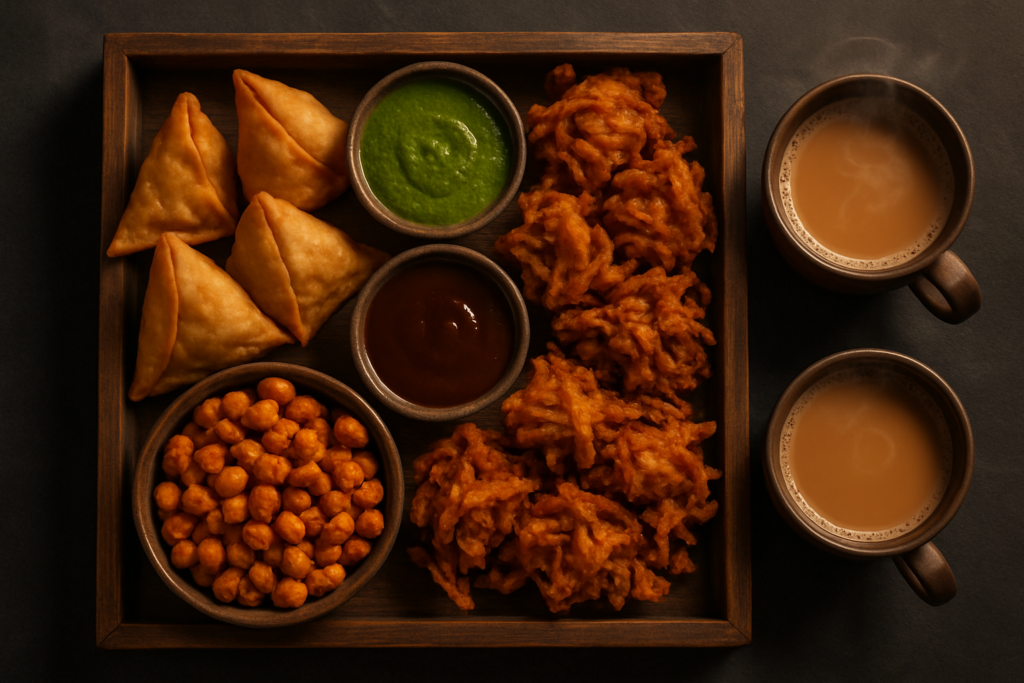
This collection covers 30 Indian vegetarian tea-time snack recipes spanning at least 10 regional traditions, from North Indian pakoras and samosas to South Indian medu vada and murukku, Gujarati dhokla, and Bengali alur chop. Each recipe includes full instructions, timing, and substitution notes for cooks outside India. Most recipes need only pantry staples and around 30 minutes of active time.
Whether you grew up with these recipes or are discovering them for the first time, this guide covers every skill level. There are honest notes about what’s actually difficult (spoiler: it’s not much), which snacks can be made 30 minutes before guests arrive, and which ones require weekend planning. Most of these easy indian snacks need nothing more than pantry staples and about 30 minutes of your time. Let’s get started.
Prep Time: 15–20 minutes (varies by recipe) | Cook Time: 20–30 minutes | Total Time: 35–50 minutes | Servings: 4–6 per recipe
This collection of 30 Indian vegetarian snack recipes covers everything from deep-fried street food classics to quick no-cook chaat dishes, spanning regions from Punjab to Kerala. Each recipe includes beginner-friendly instructions, substitution tips for the Indian diaspora, and honest notes on technique and common pitfalls.
Why You’ll Love These Indian Vegetarian Snack Recipes
- Genuinely regional variety: These aren’t all just “pakoras with different fillings” — you’ll find recipes from at least 10 different Indian states, each with a distinct flavour profile.
- Beginner to advanced: Whether you’ve never made chaat in your life or you’re looking to finally nail the perfect crispy medu vada, there’s a recipe at your level here.
- Diaspora-friendly: Substitutions for hard-to-find ingredients are included so these recipes work just as well from London, Toronto, or Melbourne as from Mumbai.
- Mostly make-ahead friendly: Many of these can be prepped in advance — a game-changer for parties or festival entertaining.
- Naturally vegetarian, mostly vegan: Almost all of these recipes are plant-based by tradition, not by compromise.
Ingredients You’ll Need for These Easy Indian Snacks
Because this is a collection of 30 recipes, the key pantry ingredients are grouped below by how often they recur. Stock these and you can make at least 20 of the 30 recipes below with a quick trip to the produce aisle.
The Non-Negotiable Indian Snack Pantry
- Besan (chickpea flour): The backbone of pakoras, bajji, and so many more. In the UK and US, look in South Asian stores or online. Bob’s Red Mill also sells a good version. Don’t substitute with plain flour — the flavour is completely different.
- Chaat masala: That sour-salty-tangy punch that makes Indian street food addictive. Abroad, make a quick DIY version: 1 tsp cumin powder + ½ tsp black salt + ½ tsp amchur + pinch of black pepper.
- Ajwain (carom seeds): Gives pakoras and mathri their distinctive flavour. Substitute cautiously with a tiny amount of dried thyme if unavailable — it’s not perfect but it helps.
- Tamarind chutney and green coriander chutney: Make a big batch on the weekend and refrigerate. These transform everything they touch. See the homemade tamarind chutney recipe on this site for reference.
- Murmura (puffed rice): Available as “puffed rice” in most supermarkets. Rice Krispies cereal works in a pinch for bhel puri — purists will disagree, but when you’re at 10 PM with a bhel craving in Glasgow, you work with what you have.
- Sev: Available at Indian grocery stores worldwide. In a pinch, crushed thin noodles or even crushed cornflakes add some crunch to chaat.
- Urad dal, chana dal, moong dal: These lentils are the base for vadas and many South Indian snacks. Most Asian grocery stores stock them.
- Sabudana (tapioca pearls): Available online or in Indian stores. The large pearl variety is traditional for sabudana vada.
- Rava/Sooji (semolina): Fine semolina for dhokla and upma. Widely available everywhere as “semolina” or “cream of wheat.”
- Poha (flattened rice): Use the thin variety for cutlets and the thick variety for poha chivda. Available in most Asian grocery stores.
For nutritional context: besan (chickpea flour) is rich in protein, fibre, and folate, making many of these snacks more nutritious than their deep-fried reputation suggests.
The 30 Indian Vegetarian Snack Recipes, Region by Region
These are organised by region so you can explore Indian snack culture one state at a time. Each recipe below has full details for a standard batch serving 4–6 people.
North Indian Tea Time Snacks (Recipes 1–8)
- Classic Onion Pakora (Pyaz ke Pakore)
This is the snack that defines monsoon afternoons across North India. Whisk 2 cups besan with enough water to make a thick batter — it should coat a spoon and not drip off immediately. Add 1 tsp ajwain, 1 tsp red chilli powder, ½ tsp turmeric, salt, finely chopped green chillies, grated ginger, and a generous handful of fresh coriander. Fold in 2 thinly sliced onions. The batter should cling to the onion without pooling at the bottom — add more besan if it’s too loose. Heat oil in a heavy kadai to about 170°C (you’ll know it’s ready when a small drop of batter rises to the surface in 2-3 seconds). Drop heaped tablespoons of batter gently into the oil. Don’t crowd the pan — work in batches of 5-6. Fry on medium heat for 4-5 minutes, turning once halfway, until deeply golden and crispy. The inside should be cooked through and the outside should shatter when you bite in. Drain on a wire rack. Serve with green coriander chutney.
Tip: Add 2 tbsp rice flour to the besan batter for extra crispiness. - Aloo Tikki (Crispy Potato Patties)
Boil 4 medium potatoes until completely tender, then peel and mash while still hot. Add 1 tsp red chilli powder, 1 tsp chaat masala, ½ tsp amchur, ½ tsp garam masala, salt, and 2 tbsp finely chopped coriander. Don’t add water — the potato holds itself together with its own starch. Divide into 8 equal balls and press flat into thick round patties about 1.5cm thick. Heat a flat tawa with a thin film of oil on medium heat. Place tikkis on the tawa and press gently with a spatula. Cook without moving for 3-4 minutes until a dark golden crust forms — you’ll see the edges turning crispy. Flip and cook the other side similarly. Serve with tamarind chutney and chopped onions. For aloo tikki chaat, serve topped with whisked yogurt, both chutneys, chaat masala, and sev. - Samosa (with Spiced Potato Filling)
For the pastry: mix 2 cups maida (or plain flour) with ½ tsp ajwain, ½ tsp salt, and 4 tbsp oil. Rub the oil into the flour with your fingertips until it resembles breadcrumbs — this step ensures the crust is flaky. Add cold water gradually and knead to a stiff, smooth dough. Cover and rest for 30 minutes. For the filling: heat 1 tbsp oil, add cumin seeds, then add 3 boiled diced potatoes, ½ cup boiled peas, salt, chilli powder, amchur, garam masala, and chopped coriander. Cook for 2 minutes. Divide the dough into balls, roll into ovals, cut in half, fold each half into a cone, seal the edge with water, fill with potato mixture, and seal the top firmly. Deep fry on medium-low heat (160°C) for 8-10 minutes until golden and crispy. Never rush samosas on high heat — they’ll blister and go pale. - Mathri (Flaky Savoury Crackers)
Mix 2 cups maida with 1 tsp ajwain, ½ tsp crushed black pepper, salt, and 5 tbsp oil. Rub oil thoroughly into flour until mixture is crumbly and holds shape when pressed. Add cold water slowly — the dough should be stiff, much stiffer than roti dough. Roll out to ½ cm thickness and cut into rounds or squares. Prick all over with a fork to prevent puffing. Deep fry on very low heat (150°C) for 10-12 minutes until pale golden and completely crispy throughout. These must be cooked slowly — this is a patience recipe. Cool completely before storing. A large batch made for Diwali will keep for weeks in a steel dabba. - Bread Pakora
Make a thick besan batter (same as onion pakora above). Prepare a spiced potato filling as for samosas. Sandwich the filling between two slices of white bread, press firmly, and cut into triangles. Dip each triangle into the besan batter, making sure it’s completely coated, and deep fry until golden and crispy, 3-4 minutes per side. This is Delhi street food at its most comforting and most caloric — and absolutely worth it. - Dahi Bhalle (Lentil Fritters in Yogurt)
Soak 1 cup urad dal for 4 hours, grind to a fluffy batter with very little water. Add ginger, green chilli, salt, and a pinch of hing (asafoetida). Deep fry tablespoon-sized balls in medium-hot oil until pale golden — they should be cooked through but not dark. Soak fried vadas immediately in warm salted water for 20 minutes until they plump up and become soft. Squeeze gently between your palms and place in a shallow dish. Pour chilled whisked yogurt on top. Drizzle tamarind chutney, green chutney, sprinkle red chilli powder, roasted cumin powder, and chaat masala. Top with a generous handful of sev. - Raj Kachori
This is a project recipe best saved for special occasions — absolutely worth the effort. Make a dough with semolina (sooji), a little whole wheat flour, salt, and water. Roll into thick rounds and deep fry on low heat until puffed and golden. While warm, make a small hole in the top. Fill with boiled sprouted moong, boiled potato dice, papdi pieces, then pour in whisked yogurt. Add both chutneys, then top with sev, boondi, chopped coriander, and both chaat masalas. This is a meal in a shell. - Pani Puri (Golgappa)
Buy store-bought puris to keep things realistic — homemade puris are beautiful but the deep frying technique requires practice. For the pani: blend fresh mint, coriander, green chillies, ginger, 2 tbsp tamarind paste, 1 tsp black salt, 1 tsp roasted cumin powder, salt, and a pinch of kala namak. Strain and add chilled water. It should be sharply tangy, spicy, and herbaceous. Fill each puri with a mix of boiled smashed potato, boiled chana, and a tiny bit of tamarind chutney. Dunk in the pani, pop the whole thing in your mouth at once. This is non-negotiable.
South Indian Tea Time Snacks (Recipes 9–16)
- Medu Vada
Soak 1 cup urad dal in plenty of water for 4-6 hours. Drain completely. Grind in a mixer/blender jar with as little water as possible — the batter should be thick, fluffy, and light. Scrape the sides often. Test the batter: drop a small ball into a bowl of water — if it floats, you’ve whipped enough air in. If it sinks, grind longer. Add salt, finely chopped green chillies, grated ginger, cumin seeds, curry leaves, and optional crushed black pepper. Wet your right hand, take a ball of batter, flatten it on your palm, and poke a hole in the centre. Gently slide the shaped vada off your hand into moderately hot oil. Fry on medium heat for 5-6 minutes until deeply golden on both sides. Serve immediately with coconut chutney and sambar. Shaping vadas takes practice — don’t be discouraged by the first few attempts. - Rava (Sooji) Upma
Heat a dry pan and roast 1 cup fine sooji on low heat for 5-7 minutes, stirring constantly, until it smells nutty and turns very lightly golden. Set aside. In the same pan heat 2 tbsp oil and add mustard seeds. When they splutter, add chana dal, urad dal, dried red chillies, and curry leaves. Add sliced onions, green chillies, and ginger — cook until onions are soft. Add 2.5 cups water, salt, and bring to a boil. Pour in the roasted sooji in a thin stream, stirring continuously to prevent lumps. Cover and cook on low heat for 3-4 minutes. Squeeze lemon over the top and garnish with coriander and cashews roasted in ghee. - Masala Vada (Chana Dal Vada)
Soak 1 cup chana dal for 2-3 hours. Reserve 2 tbsp whole and coarsely grind the rest with 3-4 dried red chillies, a few peppercorns, and fennel seeds (saunf). Mix ground dal with the whole soaked dal, finely sliced onion, curry leaves, grated ginger, chopped coriander, green chillies, and salt. The mixture should hold its shape when pressed — add no water. Shape into flat rounds and deep fry on medium heat until reddish-gold and crispy. This is the tea-time snack of Tamil Nadu, sold at almost every street corner in Chennai and Madurai. - Bonda (Potato Bajji)
Prepare a spiced mashed potato filling as for aloo tikki. Make a thin besan batter (slightly thinner than pakora batter) with turmeric, salt, and a pinch of baking soda. Roll potato filling into round balls, dip completely in batter, and deep fry on medium heat until golden, about 4-5 minutes. Serve with coconut chutney. - Ribbon Pakoda (Ola Pakoda)
Mix 1 cup rice flour, ½ cup besan, 1 tsp sesame seeds, 1 tsp red chilli powder, salt, a pinch of hing, and 2 tbsp hot oil. Mix to a stiff dough with warm water. Use a murukku/chakli press with the flat ribbon attachment and press long ribbons of dough directly into hot oil. Fry on medium heat until crispy, about 3-4 minutes. Break into pieces after frying. These keep for 2 weeks in an airtight container. - Murukku (Chakli)
Combine 2 cups rice flour with ½ cup roasted urad dal flour, 1 tsp sesame seeds, 1 tsp cumin, salt, a pinch of hing, and 2-3 tbsp butter. Add warm water gradually to form a soft, pliable dough. Using a chakli press/murukku maker, press the dough in circular spirals onto a plastic sheet or directly into hot oil. Fry on medium heat for 5-6 minutes until completely crispy. The colour should be a very light golden — don’t let these go dark. See the detailed murukku recipe post on this site for step-by-step shaping photos. - Appam with Coconut Milk (Mini Paniyaram style)
Use leftover idli-dosa batter (or a ready-made pack). Heat a paniyaram pan and add a drop of oil in each well. Ladle small amounts of batter into each well, cover and cook for 3 minutes on medium-low heat until the base is golden and set. Flip using a skewer and cook the other side for 2 more minutes. Serve with tomato chutney. - Banana Chips (Kerala style)
Use raw green bananas — peel and slice paper thin using a mandoline. Heat coconut oil in a kadai (yes, coconut oil is worth it here). Fry banana slices in batches on medium heat until crispy and pale golden, about 3-4 minutes. Drain, then immediately toss with salt and a pinch of turmeric. These taste completely different from the store-bought ones and take about 15 minutes total.
West Indian Tea Time Snacks (Recipes 17–22)
- Dhokla (Gujarati Steamed Chickpea Cake)
Mix 1 cup besan with ¾ cup yogurt, 1 tsp green chilli-ginger paste, 1 tsp sugar, salt, and ½ tsp turmeric. Add water to make a smooth batter — the consistency of pouring cream. Rest for 20 minutes. Just before steaming, add 1 tsp Eno fruit salt and mix quickly for 30 seconds — it will foam up. Pour immediately into a greased steaming plate and steam for 12-15 minutes. A skewer should come out clean. For the tadka: heat 2 tbsp oil, add mustard seeds, sesame seeds, 2 slit green chillies, and curry leaves. Pour over dhokla with 3 tbsp of sweet water (sugar dissolved in water). Cut into squares. Garnish with grated coconut and coriander. - Bhel Puri (Mumbai Style)
In a large bowl, combine 2 cups puffed rice, ½ cup sev, 1 diced boiled potato, 1 finely chopped onion, 1 chopped tomato, and 2 tbsp each tamarind chutney and green coriander chutney. Add chaat masala, red chilli powder, and salt. Toss together with a big spoon and taste as you go — this dish is all about balance of sweet, sour, spicy, and salty. Add more tamarind if you want more sweetness, more green chutney for heat. Serve immediately in paper cones or cups. Bhel puri gets soggy in about 3 minutes — you’ve been warned. - Sev Puri
Arrange 16-20 puris (papdi) on a plate. Top each with a tiny amount of boiled smashed potato and finely chopped onion. Add small dollops of tamarind chutney and green chutney. Sprinkle red chilli powder, chaat masala, and finish with a big heap of fine sev. Eat each puri in one bite. This is the most civilised way to eat street food. - Batata Vada (Mumbai Vada Pav Filling)
This is the heart of the vada pav — Mumbai’s greatest contribution to Indian street food. Prepare spiced mashed potatoes with mustard seed tadka, curry leaves, green chilli, and turmeric. Roll into golf-ball-sized rounds. Dip in thin besan batter (with turmeric, salt, and a pinch of hing) and deep fry until golden. Eat with a dry garlic chutney and green chutney stuffed inside a soft pav, or eat it as-is with a cup of cutting chai. - Muthiya (Gujarati Steamed Rolls)
Mix 1 cup whole wheat flour with ½ cup besan, 1 cup grated bottle gourd (lauki) — squeeze out excess water, salt, turmeric, red chilli powder, a little sugar, and oil. Knead to a soft dough. Shape into thick sausage-like rolls and steam for 20 minutes. Cool slightly, slice into rounds, and temper with mustard seeds, sesame seeds, and a little oil. A healthy, low-oil snack. - Handvo (Gujarati Savoury Cake)
Soak a mix of rice and lentils overnight, grind to a coarse batter, ferment for 8-12 hours. Mix in grated bottle gourd, onion, green chilli, ginger, sesame seeds, turmeric, red chilli powder, sugar, salt, and oil. Add Eno just before baking and pour into a greased oven dish. Top with sesame seeds and bake at 180°C for 35-40 minutes until a skewer comes out clean. This is a weekend recipe — the fermentation makes it tangy and digestive.
East Indian Tea Time Snacks (Recipes 23–26)
- Alur Chop (Bengali Potato Fritters)
Boil potatoes and mash with grated ginger, green chilli, a tiny bit of sugar (this is the Bengal touch), salt, and a pinch of panch phoron (Bengali five-spice mix). Shape into oval patties, dust lightly with besan, and deep fry until golden. The sugar sounds unusual if you’ve never had Bengali food, but it creates a beautiful balance with the chilli and spice. - Muri Mixture (Kolkata Style)
Toss puffed rice with mustard oil, chopped green chilli, red onion, tomato, fresh coriander, boiled potato, and fried peanuts. Season with salt, a pinch of sugar, and chilli powder. This is the Kolkata version of bhel — simpler, more pungent with the mustard oil, eaten with your hands from a paper bag on a riverside ghat. - Ghugni Chaat (Yellow Pea Curry)
Boil dried yellow peas until completely soft. Prepare a simple gravy with onion, tomatoes, cumin, coriander, and garam masala. Add peas and simmer for 10 minutes. Serve in cups topped with chopped onion, green chilli, fresh coriander, mustard oil, a squeeze of lemon, and optional shredded coconut. This is Odisha and West Bengal’s most beloved roadside snack. - Nimki (Bengali Savoury Diamond Crackers)
Similar to mathri but thinner and cut into small diamonds. Mix maida, salt, kalonji (nigella seeds), and oil to a stiff dough. Roll thin and cut into diamond shapes. Deep fry on low-medium heat until crispy and pale golden. These are the crackers of choice during Durga Puja snack spreads and they pair beautifully with a cup of strong Darjeeling tea.
Quick 10-Minute Indian Snack Recipes (Recipes 27–30)
- Masala Makhana (Spiced Fox Nuts)
Heat 1 tsp ghee in a pan. Add 2 cups makhana (fox nuts/lotus seeds) and roast on low heat for 6-8 minutes, tossing continuously, until they turn crispy and you can hear them crunch. Add salt, red chilli powder, chaat masala, and roasted cumin powder. Toss and eat. This is also genuinely nutritious — makhana (Euryale ferox) has been used in Ayurvedic medicine for centuries for its anti-inflammatory and antioxidant properties. - Corn Chaat
Boil or microwave corn kernels until just tender. Toss with a tiny bit of butter, lemon juice, salt, red chilli powder, chaat masala, and finely chopped coriander. Serve in small cups. Five ingredients, eight minutes, genuinely delicious. - Roasted Chana Chaat
Open a packet of roasted chana (daliya). Toss with chopped onion, tomato, green chilli, coriander, lemon juice, salt, and chaat masala. This is assembly rather than cooking — but the result is satisfying and filling. - Sabudana Khichdi
Soak 1 cup sabudana for 4-6 hours or overnight. Drain until completely dry — this step is critical to prevent clumping. Heat 2 tbsp ghee, add cumin seeds, then add finely chopped green chillies and grated ginger. Add the sabudana and ½ cup crushed roasted peanuts. Add salt and a pinch of sugar. Toss on medium heat for 5-6 minutes until each pearl turns translucent. Squeeze lemon juice and add fresh coriander. Traditionally eaten during fasting days, but good every day. Serve with fresh yogurt and green chutney.
Tips for Perfect Indian Vegetarian Snack Recipes Every Time
- Oil temperature is everything for fried snacks: Too hot and the outside burns while the inside stays raw. Too cool and everything absorbs excess oil and goes soggy. 160-175°C is the sweet spot for most snacks. Use a cooking thermometer or the old-fashioned test: drop a tiny ball of batter in — it should rise in 2-3 seconds, not immediately (too hot) and not sink and stay (too cold).
- Rest your besan batter: Let pakora or bhajia batter rest for 5-10 minutes before frying. This hydrates the flour fully and the ajwain blooms in the batter, giving a more developed flavour.
- Fry in small batches: Crowding the kadai drops the oil temperature and results in greasy, pale snacks. Work in batches of 4-5 pieces maximum — it feels tedious but it makes a real difference.
- The freshness rule for chaat: Every chaat dish should be assembled right before serving. Prepare all components separately and assemble only when your guests are seated. This maintains the textural contrast between crispy and soft that makes chaat special.
- Season aggressively: Indian snack recipes are meant to be bold. Recipes fail when cooks are timid with salt and chaat masala. Taste as you go and adjust. The finished snack should taste seasoned and vibrant, not bland and polite.
Variations — Making These Snacks Work for Every Diet
Jain Variations
For a Jain diet, avoid onion, garlic, potato, and all root vegetables. The following from this list are naturally Jain-friendly: masala makhana, roasted chana chaat (skip onion), mathri, ribbon pakoda, murukku, nimki, and corn chaat. For pakoras, replace onion with sliced raw banana, capsicum, or pointed gourd (parwal).
No-Onion No-Garlic Variations
Most of these recipes can be made without onion and garlic — simply omit them or substitute with a generous pinch of hing (asafoetida) for depth of flavour. The dhokla, sabudana khichdi, medu vada, and makhana recipes are already naturally free of onion and garlic.
Vegan Variations
The vast majority of these snacks are already vegan. Exceptions: dhokla (uses yogurt — substitute with a mix of plant-based yogurt and a little lemon juice), dahi bhalle (substitute with coconut yogurt), and anything made with ghee (substitute with coconut oil or a neutral vegetable oil).
Gluten-Free Variations
Rice flour and besan are naturally gluten-free. Pakoras, medu vada, masala vada, sabudana vada, murukku, ribbon pakoda, and all the chaat dishes (using gluten-free sev and papdi) are naturally gluten-free. Replace atta (whole wheat flour) in any recipe with sorghum flour (jowar) in equal quantities for good results.
What to Serve With These Indian Tea Time Snacks
- Masala Chai: The non-negotiable partner. A strong, milky, spiced chai with cardamom and ginger is the official companion of 90% of the snacks on this list. See the perfect masala chai recipe on this site for a proper cup.
- Coriander Green Chutney and Tamarind Chutney: Make both, always. They act as the seasoning and sauce element for virtually every savoury snack in this collection.
- South Indian Filter Coffee: With any of the South Indian snacks — medu vada, murukku, ribbon pakoda — a proper South Indian filter coffee in a steel tumbler-dabara set is the authentic pairing.
Storage and Reheating
Fried snacks (pakoras, samosas, vadas): Best eaten fresh. If you must store, let cool completely and refrigerate in an airtight container for up to 2 days. Reheat in an air fryer at 180°C for 4-5 minutes or in a preheated oven at 200°C for 8-10 minutes. Never microwave fried snacks — you’ll get sad, soggy results.
Dry snacks (mathri, murukku, ribbon pakoda, nimki, makhana): Store in an airtight steel or glass container at room temperature for up to 2-3 weeks. These actually improve after a day as the spices settle in.
Dhokla and handvo: Refrigerate for up to 3 days. Reheat with a little sprinkled water in the microwave or re-steam for 5 minutes.
Chaat components: Store individual components separately — chutneys in the fridge for up to a week, boiled potatoes and chana for 2 days, puffed rice and sev in airtight containers at room temperature. Assemble only when ready to serve.
Freezing: Uncooked samosas and kachori freeze beautifully. Arrange on a tray without touching, freeze until solid, then transfer to a zip-lock bag. Fry directly from frozen on medium-low heat for 12-15 minutes.
Frequently Asked Questions About Indian Vegetarian Snack Recipes
Which Indian vegetarian snack recipes can I make in under 20 minutes?
Bhel puri, corn chaat, masala makhana (fox nuts), roasted chana chaat, and muri mixture are all ready in under 20 minutes with minimal prep. Bhel puri takes about 5 minutes once the chutneys are ready — ideal when unexpected guests arrive. For slightly more time, bread pakora and onion pakora can be done in 20-25 minutes from start to finish.
Can I make these Indian tea time snacks ahead of time for a party?
Most fried snacks like samosas and kachori can be prepped and frozen uncooked, then fried straight from frozen on party day. Aloo tikki patties can be shaped and refrigerated up to a day ahead. Dhokla and handvo actually taste better the next day once the flavours settle. However, chaat dishes like bhel puri and sev puri should always be assembled just before serving so they stay crispy. Dry snacks like mathri and murukku can be made 1-2 weeks ahead.
Are these snack recipes suitable for someone following a Jain diet?
Many of these recipes can be adapted for a Jain diet by omitting onion, garlic, potato, and root vegetables. Dhokla, makhana chaat, roasted chana, mathri, murukku, and rice flour chakli are naturally Jain-friendly or easily adapted. Detailed Jain variation notes are included in the Variations section above. For pakoras, raw banana, capsicum, and raw plantain make excellent substitutes for potato and onion.
I live abroad and can’t find some Indian ingredients — what can I substitute?
Besan (chickpea flour) is increasingly available in mainstream supermarkets, and definitely in South Asian or Middle Eastern grocery stores. Chaat masala can be roughly DIY’d with cumin powder, black salt, amchur, and black pepper. Ajwain can be replaced with a tiny amount of dried thyme in a pinch. Eno fruit salt for dhokla can be replaced with baking soda combined with a tiny bit of citric acid powder. Murmura (puffed rice) is sold in most international grocery stores, and rice cakes broken into pieces are a reasonable emergency substitute.
How do I keep fried Indian snacks crispy for longer?
Always fry on medium heat, never high. High heat browns the outside quickly but leaves the inside undercooked and soft — and these snacks turn soggy very fast as the steam from the undercooked interior migrates outward. Always drain on a wire rack rather than paper towels, because towels trap steam underneath. If you must store fried snacks, place in a single layer in an airtight container — never pile them up while still warm — and re-crisp in an air fryer at 180°C for 3-4 minutes before serving.