
Samosa Filling Recipe: The Perfect Aloo Masala for Crispy, Non-Soggy Samosas
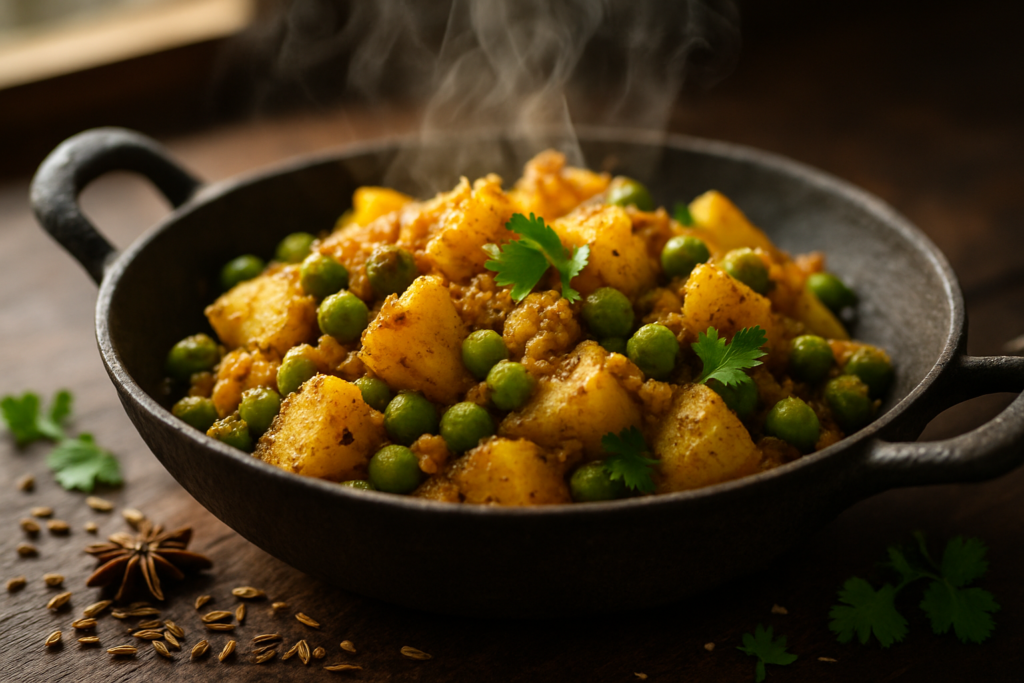
The samosa filling recipe is the foundation of a good samosa. Get the spicing, texture, and — most importantly — the moisture level wrong, and it doesn’t matter how perfectly you fold or fry the pastry. This is a spiced aloo masala made with cold boiled potatoes roughly broken (never pureed), dried peas, and a dry-cooked masala base with cumin, fennel, ginger, green chilli, and amchur. Made correctly, it produces crispy, non-soggy samosas that hold up even hours after frying.
Prep Time: 20 minutes
Cook Time: 20 minutes
Total Time: 40 minutes
Servings: 20–22 samosas (filling for)
This spiced aloo masala filling is made with boiled potatoes that are roughly mashed (not pureed!), cooked-down peas, and a perfectly dry masala base with cumin, ginger, green chilli, and amchur. It’s the one filling that gives you crispy, non-soggy samosas every single time — even hours after frying.
Why You’ll Love This Samosa Filling Recipe
- No soggy samosas, ever — the technique here specifically targets the moisture problem that ruins most homemade samosas
- Perfectly textured filling — chunky enough to have bite, but not so chunky it tears the pastry shell when you’re folding
- That authentic dhaba flavour — the combination of fennel seeds, amchur, and dried coriander is what makes it taste like the real thing, not a pale home-kitchen imitation
- Make-ahead friendly — the filling keeps in the fridge for up to 3 days, so you can fold and fry in batches
- Completely customisable — Jain, no-onion-no-garlic, and vegan-friendly swaps are listed below
Ingredients You’ll Need for the Perfect Samosa Filling
These are pantry staples for most Indian households, but there are notes for anyone shopping at a general grocery store or living outside India:
- 4 medium potatoes (Yukon Gold or Russet) — boiled, peeled, and completely cooled. Yukon Gold gives a slightly waxy texture that holds its shape better; Russet is fluffier and absorbs spices beautifully. Both work.
- ¾ cup green peas (fresh or frozen) — fresh peas in season are incredible, but frozen work perfectly. Skip canned peas — they’re too soft and add moisture.
- 2 tablespoons neutral oil — mustard oil if you’re feeling traditional, sunflower or avocado oil otherwise
- 1 teaspoon cumin seeds (jeera)
- ½ teaspoon fennel seeds (saunf) — this is non-negotiable. If you’ve had samosas from a proper Punjabi dhaba, that faintly sweet, anise-y note is fennel. Don’t skip it.
- 1 teaspoon grated fresh ginger
- 2 green chillies, finely chopped — adjust to your heat level
- 1 teaspoon coriander powder (dhaniya)
- ½ teaspoon cumin powder
- ½ teaspoon garam masala
- ¾ teaspoon amchur (dry mango powder) — this is what gives that bright, tangy lift. If you genuinely can’t find it, a small squeeze of lemon works, but add it off the heat so it doesn’t make the filling wet.
- ¼ teaspoon red chilli powder
- Salt to taste
- 2 tablespoons fresh coriander (cilantro), chopped
- Optional: 2 tablespoons roasted cashew pieces or raisins — this is a Gujarati variation worth trying, even if Punjabi purists would raise an eyebrow
If you’re abroad: Amchur is available at most South Asian grocery stores and on Amazon. Cumin seeds, fennel seeds, and coriander powder are now in the international aisle of most large supermarkets. Frozen peas are universally available — just thaw and pat dry before using.
How to Make Samosa Filling: Step-by-Step
- Boil and cool the potatoes properly. Boil your potatoes whole with their skins on in well-salted water until a knife slides through with no resistance — about 20–25 minutes depending on size. Drain them immediately and let them sit uncovered until completely cool. This is crucial. Hot potatoes release steam and create moisture in the filling. Boiling them the night before and refrigerating works well. Cold potatoes from the fridge actually break apart in a nicer, chunkier way.
- Peel and rough-chop, don’t mash. Once the potatoes are cold, peel them and cut into small cubes — roughly 1cm pieces. Then go in with your hands or a fork and roughly break about one-third of the cubes down. You want a mix of small chunks and some coarser crumble. The chunks give texture; the broken bits help bind the filling. What you absolutely do not want is a smooth mash. Smooth mash = paste filling = soggy samosas.
- Thaw and dry your peas. If using frozen peas, thaw them and then spread on a clean kitchen towel and pat completely dry. Any water clinging to those peas goes straight into your filling. If using fresh peas, blanch them for 2 minutes in boiling water, then drain and cool.
- Heat the oil in a wide pan on medium-high. A wide pan matters here — more surface area means moisture evaporates faster. When the oil is hot (test with a cumin seed — it should sizzle immediately), add the cumin seeds and fennel seeds together. Let them sizzle for about 30 seconds until fragrant. You’ll hear a popping sound — that’s your cue.
- Add ginger and green chilli. Toss in the grated ginger and chopped green chillies. Stir quickly for about 30–40 seconds on medium heat. The ginger should lose its raw smell and start smelling sweeter and more cooked.
- Add the peas and cook on high heat. Add the dried peas to the pan, increase the heat to high, and cook for 2–3 minutes, stirring frequently. Any residual moisture needs to evaporate. The peas should look slightly wrinkled at the edges and smell cooked, not raw and grassy.
- Lower the heat and add all dry spices. Reduce to medium-low and add the coriander powder, cumin powder, red chilli powder, garam masala, amchur, and salt. Stir everything together for 30 seconds — don’t let the spices burn. If the pan looks dry, you can add a tiny splash of water (literally a teaspoon), but ideally the spices should toast in the residual oil.
- Add the potatoes and mix well. Tip in all your chopped, roughly broken potatoes. Increase the heat back to medium and mix everything together gently — you don’t want to mash further, just coat every piece in that spiced oil. Cook for 3–4 minutes, stirring occasionally, until the mixture is completely heated through and looks dry. There should be no steam rising from inside the filling. This is the key test.
- Final check: the filling must be dry. Press a small amount of filling against the side of the pan. If you see any liquid seeping out, keep cooking on medium heat, stirring, until it stops. This step is the single most important thing you can do to prevent soggy samosas.
- Remove from heat and add fresh coriander. Turn off the flame and stir in the fresh coriander. If you’re using lemon juice instead of amchur, add it now, off the heat. Taste and adjust salt. Let the filling cool completely — spread it out on a plate if you’re in a hurry — before using it to fill your samosa pastry.
Tips for Perfect Samosa Filling Every Time
The Answer to ‘Why Is My Samosa Soggy?’
Soggy samosas almost always come from one of three places: (1) the filling had residual moisture from under-dried peas or hot potatoes, (2) the pastry dough was too soft or had too much fat, or (3) the oil temperature when frying was too low, which means the samosa sits in oil and absorbs it instead of crisping up fast. Fixing the filling is the first step — the one you can control completely before you even think about frying. If the filling is right, you’ve solved 70% of the soggy problem.
Always Use Cold Potatoes
Boil your potatoes the night before. Cold potatoes from the fridge crumble differently — in a more uneven, natural way — compared to warm potatoes which tend to go gluey when you break them up. Gluey potato = dense, moisture-trapping filling.
Don’t Skip the Fennel Seeds
Fennel seeds are what separate a great samosa filling from a merely good one. Toast them in the oil until they just start to darken and release that faint sweetness. I know purists from certain regions (UP-style samosa fans in particular) will insist on a different spice profile, but fennel belongs here. Toast them until they just start to darken and release that faint sweetness — it’s a significant difference.
Taste the Filling Before You Seal the Samosas
The filling should taste slightly over-seasoned and tangy on its own — the pastry will mellow everything down. If it tastes just right on its own, it’ll taste a little flat inside the samosa.
Cool Completely Before Filling
Warm filling goes into the dough and creates steam, which softens the pastry from inside before it even hits the oil. Fifteen minutes of patience here saves a lot of heartbreak later.
Variations of This Samosa Stuffing Recipe
Jain / No-Onion-No-Garlic Version
This base recipe is already onion and garlic free — that’s completely intentional, as authentic North Indian samosa filling traditionally doesn’t use onion or garlic. To make it fully Jain, also skip the regular potatoes and use Jain-friendly root vegetables like raw banana (kachcha kela) or bottle gourd, both of which work beautifully with this masala.
Vegan
This recipe is already 100% vegan as written. No dairy, no eggs. Just good spices and vegetables.
Gluten-Free
The filling itself is gluten-free. You’ll need a gluten-free samosa pastry (made with rice flour or a GF blend) to complete the samosas, but the filling doesn’t change at all.
Punjabi-Style with Meat Substitute
For a heartier filling, add ½ cup of crumbled paneer or cooked, dried soya keema alongside the potatoes at step 8. Cook for an extra 2 minutes to integrate. This gives a richer, more substantial filling.
Mini Cocktail Samosa Filling
For bite-sized party samosas, chop everything smaller and increase the amchur by ¼ teaspoon. The sharper tang holds up better in a smaller bite where there’s more pastry-to-filling ratio.
What to Serve With These Samosas
- Green coriander-mint chutney — the classic pairing. The bright, herby, slightly spicy chutney cuts through the richness of the fried pastry perfectly. See my 5-minute green chutney recipe for the version I always make.
- Tamarind-date chutney (meethi chutney) — sweet, sticky, and tangy, this is the one that makes samosa chaat possible. Essential if you’re serving these at a party.
- A cup of masala chai — samosa and chai is not just a snack, it’s a cultural institution. Especially on a rainy afternoon.
Storage and Reheating
Storing the Filling
Once completely cooled, the samosa filling keeps in an airtight container in the refrigerator for up to 3 days. This makes it a fantastic meal-prep component — make a big batch and fold samosas in batches through the week.
Can You Freeze the Filling?
Yes, with a caveat. The potato texture changes slightly after freezing — it can become a little grainy. The flavour is completely fine. Freeze in portions for up to 1 month. Thaw in the fridge overnight, then spread on a pan over medium heat for 2–3 minutes to dry out any moisture that developed during thawing before using it to fill samosas.
Reheating Already-Filled or Fried Samosas
Fried samosas are best reheated in an air fryer at 180°C for 5–6 minutes, or in an oven at 180°C for 10 minutes. Microwaving produces a soft, soggy result and is best avoided.
Frequently Asked Questions About Samosa Filling
Why is my samosa soggy inside even when the shell is crispy?
This is almost always a filling moisture problem. Either the potatoes were added to the pan while still warm (they release steam), the peas weren’t dried properly before cooking, or the filling wasn’t cooked long enough to evaporate all the moisture. Go back to step 9 in the instructions — the press-test against the pan side is the most reliable way to check. Also make sure the filling is completely cold before it goes into the pastry shell.
Can I make samosa filling without mashing the potato completely?
Yes, and you absolutely should. Smooth, fully mashed potato creates a dense, wet filling that traps steam inside the samosa. The correct texture is a rough, chunky crumble where about one-third of the potato is broken down and the rest is in small, irregular cubes. This is what gives you that satisfying bite and helps the filling stay drier during frying. See all my samosa tips here for more on texture.
What can I substitute for amchur powder in samosa filling?
Amchur (dry mango powder) gives the filling its characteristic tangy, slightly fruity sharpness. If you can’t find it, use ½ teaspoon of lemon juice or a tiny pinch of citric acid. Add either of these off the heat, right at the end, so they don’t add moisture to the cooking filling. Some people also use tamarind paste — use about ¼ teaspoon of thick tamarind concentrate and cook it into the masala at step 7 so the moisture evaporates.
How much filling do I need per samosa?
For standard-sized samosas (using a pastry circle of about 15cm diameter), you’ll need about 1.5 to 2 tablespoons of filling per samosa. For smaller cocktail samosas, use about 1 teaspoon. This recipe makes enough filling for approximately 20–22 standard samosas. Always err slightly on the less-is-more side — overfilling is one of the most common reasons samosas burst open during frying.
Is this the same filling used in baked samosas?
Yes, exactly the same filling works for baked samosas. The key difference is that baked samosas need the filling to be extra dry (even more so than fried) because there’s no hot oil helping to crisp and seal the pastry quickly. So if you’re baking, cook the filling for an extra 2–3 minutes beyond what seems necessary, and definitely chill it well before filling. You can learn more about the history and regional variations of samosa — it’s a fascinating read that explains why the filling styles vary so dramatically across the subcontinent.
One thought on “Samosa Filling Recipe: The Perfect Aloo Masala for Crispy, Non-Soggy Samosas”