Bengali Vegetarian Recipes: 20 Classic Niramish Dishes You’ll Absolutely Love
Bengali Vegetarian Recipes: 20 Classic Niramish Dishes
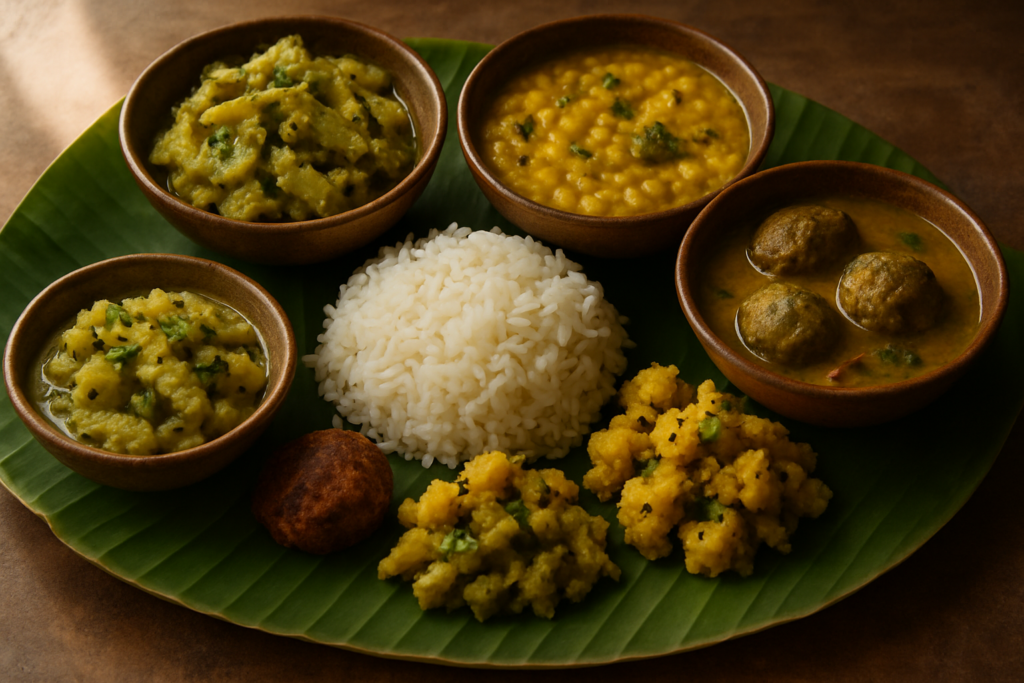
Bengali niramish ranna (meatless cooking) is vegetarian food that is layered, complex, and deeply satisfying — built on mustard oil, poppy seeds, panch phoron, and ginger rather than onion or garlic. This guide covers 20 classic niramish dishes: what they are, how to make them, and the key techniques that make each one work.
The world of Bengali vegetarian recipes is vast: bitter vegetables tempered with panch phoron, creamy posto-coated potatoes, fluffy cholar dal with coconut, and paneer swimming in ginger-tomato gravy — all without a single piece of onion or garlic in sight.
Prep Time: 30 minutes | Cook Time: 45 minutes | Total Time: 75 minutes | Servings: 4
This is a comprehensive guide to 20 classic Bengali vegetarian recipes (niramish dishes) with no onion and no garlic. From Aloo Posto to Cholar Dal to Chhanar Dalna, you’ll find step-by-step instructions, tips, and variations to recreate authentic Bengali flavours in your own kitchen.
Why You’ll Love These Bengali Niramish Recipes
- No onion, no garlic — genuinely flavourful anyway: Bengali cooking uses mustard, poppy seeds, panch phoron, and ginger to build flavour that makes onion and garlic unnecessary.
- Perfect for fasting days and festive cooking: These dishes are traditionally made for Saraswati Puja, Durga Puja, Ekadashi, and other auspicious occasions — so they’re already built for special menus.
- Beginner-friendly techniques: Despite the complex flavours, most niramish dishes use straightforward methods — frying, simmering, and simple tempering.
- Naturally healthy and light: Most dishes are low in calories, high in plant protein (especially the dals), and use simple vegetables you can find anywhere.
- A completely new flavour experience: If you’ve only eaten North Indian vegetarian food, Bengali veg curry recipes will open an entirely new world — one built on bitterness, sweetness, mustard heat, and poppy seed creaminess.
The Ingredients That Define Bengali Vegetarian Recipes
Before diving into the 20 dishes, here is the core pantry. These ingredients are non-negotiable in Bengali niramish cooking — understanding them will make every recipe click.
The Bengali Niramish Pantry: What You’ll Need
- Mustard Oil (Sarson ka tel): The absolute soul of Bengali cooking. Heat it to smoking point first, then lower the flame — this removes the sharpness and awakens the flavour. Available at all Indian grocery stores. If you’re abroad in the UK, US, or Canada, look for Patanjali or Dabur mustard oil brands. Do not substitute with olive oil — the flavour profile is completely different.
- Panch Phoron: The Bengali five-spice blend (equal parts fenugreek, nigella seeds, cumin, mustard, and fennel). Buy it pre-mixed from Indian stores or make your own at home in 2 minutes — just mix equal quantities of each seed and store in a jar.
- Posto (White Poppy Seeds / Khus Khus): The MVP of Bengali vegetable cooking. Used as a paste to coat vegetables. Note for those in the US: white poppy seeds are harder to find — try online at Amazon or Patel Brothers stores. They’re legal and just used for cooking.
- Cholar Dal (Bengal Gram / Chana Dal): The slightly different, sweeter cousin of regular chana dal. Use regular chana dal as a substitute if needed — the result is very similar.
- Hing (Asafoetida): Used in tiny quantities to add a savoury depth that replaces the allium flavour in onion-garlic-free cooking. A pinch goes a very long way. Skip for Jain or strict sattvic cooking.
- Dry Ginger Powder (Shonth): Used in stricter niramish cooking in place of fresh ginger. Available at Indian grocery stores worldwide.
- Narkel (Fresh Coconut): Freshly grated coconut appears in both Cholar Dal and Shukto. Substitute with desiccated unsweetened coconut if fresh isn’t available — soak it briefly in warm water first.
The 20 Classic Bengali Vegetarian Recipes (Niramish Dishes)
Here are all 20 dishes — some with full recipes, some with the essential technique and flavour profile, all with an honest take on how difficult they are to make at home.
1. Shukto — The Quintessential Bengali Niramish Opener
If there is one dish that defines Bengali vegetarian cooking, it’s Shukto. It’s traditionally the first course of a Bengali meal — a slightly bitter, mildly sweet mixed vegetable dish that is meant to prepare your digestive system for everything that follows.
The vegetables typically used include bitter gourd (uchhe), raw banana, potato, ridge gourd, drum sticks, and eggplant — though every family has their own version. The gravy is thin, flavoured with mustard paste and finished with ghee and milk. The bitterness is the point. Don’t try to reduce it.
Key technique: Fry the bitter gourd first, separately, before adding other vegetables. This controls the bitterness and prevents the other vegetables from absorbing too much of it.
2. Aloo Posto — Potato with Poppy Seed Paste
Aloo Posto is almost embarrassingly simple — cubed potatoes cooked in a thick paste of white poppy seeds and green chilli — but it is absolutely addictive. The posto paste goes nutty and creamy as it cooks, coating every potato piece in this luxurious, earthy sauce.
The secret: Soak your poppy seeds in warm water for at least 20 minutes before grinding. Cold water gives you a grainy paste. And always add a good pour of mustard oil at the very end, raw, off the heat. I know purists might argue about the raw oil — but in this dish, that raw mustard hit is everything.
Check out our detailed Aloo Posto recipe with step-by-step photos for the full version.
3. Cholar Dal — Bengal Gram Dal with Coconut
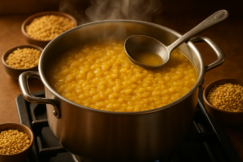
This is the dal of celebrations in Bengal. Thick, lightly sweet, fragrant with ghee and coconut — Cholar Dal is served at every puja, every auspicious occasion, every Bengali wedding lunch. It’s made with chana dal cooked until just soft (never mushy), tempered with dried red chillies, bay leaves, and a pinch of hing, then finished with fresh coconut and raisins.
Don’t skip the raisins.
Pro tip: Soak the chana dal for at least 2 hours before cooking. This reduces pressure cooking time and gives you a cleaner, non-cloudy dal.
4. Chhanar Dalna — Paneer in Tomato-Ginger Gravy
This is Bengali home cooking at its most comforting. Freshly made chhanar (paneer or cottage cheese) cubes are lightly fried and then simmered in a simple tomato and ginger gravy with peas. The gravy is thinner than a North Indian paneer curry — more of a light, flavourful sauce than a thick masala.
Store-bought paneer, lightly pressed between kitchen towels and then pan-fried in mustard oil until golden, works well here. It won’t be exactly like fresh chhana, but it’s still wonderful.
5. Jhinge Posto — Ridge Gourd with Poppy Seeds
Everything Aloo Posto is, this is — but lighter and more delicate. Ridge gourd has a beautiful mild sweetness that pairs perfectly with the nutty bitterness of posto. It cooks faster than potato, so keep your eye on it.
6. Begun Bhaja — Pan-Fried Eggplant
Do not underestimate this dish. Thick rounds of large round brinjal, rubbed in turmeric and red chilli powder, fried in generous mustard oil until deeply golden and completely melting inside — this is one of the great Bengali vegetarian recipes that requires almost no technique but absolute attention. You cannot rush Begun Bhaja. Medium-low heat, patience, and enough oil. That’s it.
7. Mochar Ghonto — Banana Flower Dry Curry
Banana flower (mocha) requires a significant amount of prep work — cleaning the florets, removing the stamens, rubbing with oil to prevent blackening — but the resulting dry curry, cooked with potato, coconut, and panch phoron, is unlike anything else. It has a meaty, fibrous texture that makes it genuinely satisfying.
If fresh banana flower isn’t available, some Indian stores sell cleaned and frozen mocha. They’re almost as good.
8. Aloor Dom — Bengali Spiced Potatoes
Not to be confused with Dum Aloo from other regions — Bengali Aloor Dom is a distinct beast. Small potatoes, whole or halved, cooked in a thick gravy of tomato, ginger, and warming spices like cinnamon and cardamom. It’s rich, mildly sweet, and deeply aromatic. This is puja food, festival food, Sunday food.
9. Niramish Mangsho (Jackfruit Curry) — The Vegetarian ‘Mutton’
Raw jackfruit (enchor) cooked in a Bengali style with warming spices mimics the texture of slow-cooked mutton so convincingly that this dish has been part of niramish cooking long before jackfruit became a global trend. The key is cutting the jackfruit into large chunks and frying them well before adding the gravy.
10. Lau Chingri Style Lau Tarkari — Bottle Gourd Curry
In its niramish avatar (without the shrimp that usually appears in this dish), bottle gourd is cooked simply in mustard oil with panch phoron, green chillies, and a touch of ginger. It’s light, watery, and exactly the kind of restorative dish you want when you’ve been eating heavily.
11. Dhokar Dalna — Fried Lentil Cakes in Gravy
This is one of the most technically interesting Bengali vegetarian recipes. Chana dal is soaked, ground into a paste with spices, poured into a greased tray and steamed, then cut into diamond shapes and fried until golden. These fried lentil cakes (dhoka) are then simmered in a tomato-potato gravy. The result is protein-rich, satisfying, and utterly unlike anything from other regional cuisines.
12. Palong Shaak er Ghonto — Spinach with Potato and Coconut
Spinach cooked Bengali style means wilted, roughly chopped leaves stir-fried with potato cubes, a touch of coconut, and a panch phoron temper. It’s simple and quick — about 15 minutes from start to finish — and it’s the kind of everyday vegetable dish that keeps you grounded when cooking feels overwhelming.
13. Kumro Phool Bhaja — Fried Pumpkin Flowers
This seasonal dish is pure joy. Pumpkin or squash blossoms, dipped in a thin besan batter seasoned with turmeric and salt, then fried in mustard oil until light and crispy. If you grow any kind of squash or have access to an Asian or Indian garden, save those flowers. This is what you do with them.
14. Koraishutir Kochuri — Green Pea Stuffed Fried Bread
These are festive in the truest sense — deep-fried puris stuffed with a spiced green pea filling, served on winter mornings in Bengal with Aloor Dom. The filling is made of blended fresh peas cooked briefly with green chillies, ginger, and a pinch of sugar.
15. Shorshe Begun — Eggplant in Mustard Gravy
Sliced eggplant simmered in a sharp, pungent mustard seed paste gravy. This is a quick weeknight dish — 20 minutes total — and the mustard paste (black or yellow mustard seeds ground with green chilli and a little turmeric) gives it a wonderful aggressive flavour that pairs beautifully with plain steamed rice.
16. Neem Begun — Neem Leaves with Eggplant
Crispy fried neem leaves with pan-fried eggplant is a traditional Bengali New Year (Poila Boishakh) dish. The bitterness of the neem is believed to ward off disease and is eaten at the very start of the year for good health. You can find neem leaves at Indian grocery stores — they’re usually frozen or in the herb section.
17. Panch Mishali Tarkari — Five-Vegetable Mixed Curry
As the name suggests: five vegetables (commonly potato, raw banana, brinjal, drumstick, and flat beans or valor papdi) cooked together in a simple, lightly spiced gravy. It’s one of those versatile Bengali veg curry recipes where you work with whatever you have, and the panch phoron does the heavy lifting on flavour.
18. Tok Dal — Sour Moong Dal with Tomato
This thin, tart, summery dal is made with roasted moong dal and plenty of tomato, given a sharp sour edge with a squeeze of lemon or raw mango. It’s eaten with rice as a light, digestive first course — almost like a drinking soup more than a thick dal, and well suited to hot summer days.
19. Papaya Tarkari — Raw Papaya Dry Curry
Raw green papaya, grated or cubed, is cooked in a dry stir-fry style with panch phoron, turmeric, and coconut. It has an almost neutral flavour that absorbs spices beautifully and has a lovely slightly crunchy, slightly soft texture. It’s also incredibly good for digestion — raw papaya is rich in digestive enzymes like papain, making this dish as functional as it is delicious.
20. Sandesh and Mishti Doi — The Sweet Ending
No Bengali vegetarian meal ends without something sweet. While Sandesh (fresh cheese fudge) and Mishti Doi (sweetened yoghurt) are technically desserts, they are an essential part of the niramish dining experience. Both are made without any non-vegetarian ingredients and are part of the traditional Bengali meal structure.
Sandesh is made by kneading fresh chhanar (paneer) with sugar until smooth, then shaping and sometimes lightly cooking on a griddle. Mishti Doi is thickened yoghurt set with jaggery — made in earthen pots traditionally, though a ceramic bowl works perfectly at home.
Tips for Perfect Bengali Niramish Recipes Every Time
- Always smoke your mustard oil first: Heat mustard oil until it just starts to smoke, then lower the flame before adding anything. This removes the raw pungency and gives you the warm, rounded mustard flavour that defines Bengali cooking. Skipping this step is the most common mistake non-Bengali cooks make.
- Use sugar without guilt: Bengali cooking uses sugar in savoury dishes — and not just a pinch. A teaspoon of sugar in your dal or vegetable curry will balance the flavours and round out any harshness from spices. If this feels unfamiliar, start with half a teaspoon and taste.
- Don’t rush the tempering: The panch phoron needs 30-40 seconds in hot oil to release its full aroma. Add the next ingredient too quickly and you’ll have under-bloomed spices. Wait until you can smell that specific warm, slightly anise-like fragrance rising from the pan.
- Grind your posto (poppy seed) paste properly: Soak for at least 20-30 minutes in warm water, then grind with green chillies into a completely smooth paste. Any grittiness means you haven’t ground it long enough. A small blender or coffee grinder works better than a large processor for small quantities.
- Serve in the right order: The traditional Bengali meal sequence (bitter → dal → vegetables → rice with gravy → sweets) isn’t just ceremonial — it’s genuinely how these dishes are meant to be experienced. The bitter opening prepares your palate, and the sweet ending closes it beautifully.
Variations for Different Dietary Needs
Strict Jain Bengali Niramish Recipes
Replace fresh ginger with dry ginger powder (shonth) and skip asafoetida (hing). Avoid root vegetables like potato and carrot on specific fasting days. Dishes like Jhinge Posto, Cholar Dal, Tok Dal, and Shorshe Begun adapt beautifully for Jain diets.
Vegan Bengali Vegetarian Recipes
Most niramish dishes are naturally vegan — the only adjustments needed are replacing ghee with coconut oil or vegan butter (use sparingly, as Bengali cooking uses ghee mainly as a finishing drizzle), and skipping milk in Shukto (use thin coconut milk instead). Chhanar Dalna can be made with firm tofu instead of paneer for a fully vegan version.
Gluten-Free Bengali Veg Curry Recipes
Almost all Bengali niramish tarkari dishes are naturally gluten-free — no thickening agents, no wheat-based ingredients. The one exception is Koraishutir Kochuri, which uses wheat flour dough. Substitute with a gluten-free atta blend for a GF version, though the texture will differ slightly.
No-Onion No-Garlic (Already!)
Here’s the beautiful thing: authentic Bengali niramish ranna is already completely no onion, no garlic by definition. You don’t need to make a single substitution. This makes these recipes perfect for Navratri, Ekadashi fasts, Jain lifestyles, and anyone following a sattvic diet.
What to Serve With Bengali Vegetarian Recipes
- Steamed white rice (govindo bhog variety if available): Short-grain, slightly sticky, and fragrant — this is the foundation of every Bengali meal. Long-grain basmati is a fine substitute, but the experience is genuinely different with the right rice. Gobindobhog rice is a protected geographical indication (GI) rice variety from West Bengal, prized for its aroma and texture.
- Luchi (Bengali deep-fried flatbread): For a festive meal, serve dishes like Cholar Dal and Aloor Dom with luchi instead of rice. The puffed, white flour fried bread soaks up the gravies beautifully.
- Mishti Doi or fresh Sandesh: Always end a Bengali vegetarian meal with something sweet. Even a simple bowl of mishti doi from your nearest Indian sweet shop completes the meal in a way that feels genuinely satisfying and traditional.
Storage and Reheating Bengali Niramish Dishes
Most Bengali vegetable curries and dals store well in the fridge for 2-3 days in an airtight container. In fact, many Bengali cooks insist that Cholar Dal and Aloor Dom taste better the next day, after the spices have had time to settle and deepen — and that assessment is well founded.
To reheat: add a splash of water to gravies and dals before reheating on the stovetop on low heat. Stir frequently. Microwave reheating works but can make posto-based dishes (like Aloo Posto) slightly rubbery — stovetop is always better.
Freezing: Cholar Dal, Dhokar Dalna (freeze the fried dhoka separately, add to fresh gravy), and Aloor Dom all freeze well for up to a month. Posto-based dishes and Shukto don’t freeze well — make them fresh.
Also check out our easy Bengali sweets and mishti recipes to complete your niramish thali, and our complete Puja day cooking guide for a full festival menu plan.
Frequently Asked Questions About Bengali Vegetarian Recipes
What does ‘niramish’ mean in Bengali cooking?
Niramish literally means ‘without meat’ in Bengali, but it goes a step further than just being vegetarian. Strictly speaking, niramish recipes also avoid onion and garlic, as these are considered rajasic (stimulating) ingredients in Hindu tradition. These dishes are cooked on auspicious days, during festivals like Saraswati Puja or Ekadashi, or simply as part of a traditional weekly practice in Bengali households.
Can I make these Bengali vegetarian recipes without mustard oil?
Technically yes, but mustard oil has a sharp, pungent flavour that is the backbone of Bengali cooking and is difficult to replicate. If you absolutely can’t find it, use a neutral oil like sunflower oil as a substitute, but add a tiny bit of mustard paste to the base to compensate. Indian grocery stores almost always stock mustard oil — it’s worth hunting for.
What is panch phoron and can I make it at home?
Panch phoron is a Bengali five-spice blend made of equal parts fenugreek seeds (methi), nigella seeds (kalonji), cumin seeds, black mustard seeds, and fennel seeds. Mix them in equal proportions and store in an airtight jar — it keeps for months. This single blend is used in nearly every Bengali vegetable dish and has a warm, complex aroma unlike anything else in Indian cooking.
Are these niramish recipes suitable for Jain cooking?
Most of them are naturally Jain-friendly since they already have no onion or garlic. The few adjustments needed: skip asafoetida (hing) if you follow strict Jain principles (though some Jains do use it), avoid root vegetables like potatoes and carrots on specific days, and replace fresh ginger with dried ginger powder (shonth). Dishes like Jhinge Posto, Moong Dal, and Cholar Dal are perfect as-is for Jain diets.
How is Bengali vegetarian cooking different from other Indian regional vegetarian cuisines?
Bengali vegetarian cooking is unique because of its deliberate sequencing of flavours through a meal, its heavy use of mustard oil and posto (poppy seeds), its comfort with bitterness as a flavour (Shukto, Neem Begun), and its generous use of coconut and panch phoron. Unlike many North Indian vegetarian dishes that rely on a heavy onion-tomato base, Bengali niramish ranna builds depth through tempering, spice blends, and single hero ingredients like posto or mustard paste. It’s a cuisine that rewards patience and curiosity.