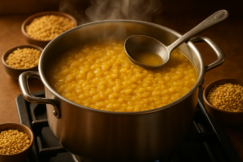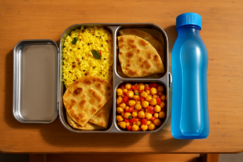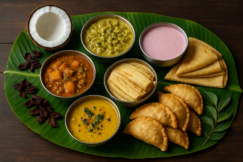
Kuttu Ka Atta Recipes: 12 Best Buckwheat Flour Dishes for Navratri Fasting and Gluten-Free Cooking
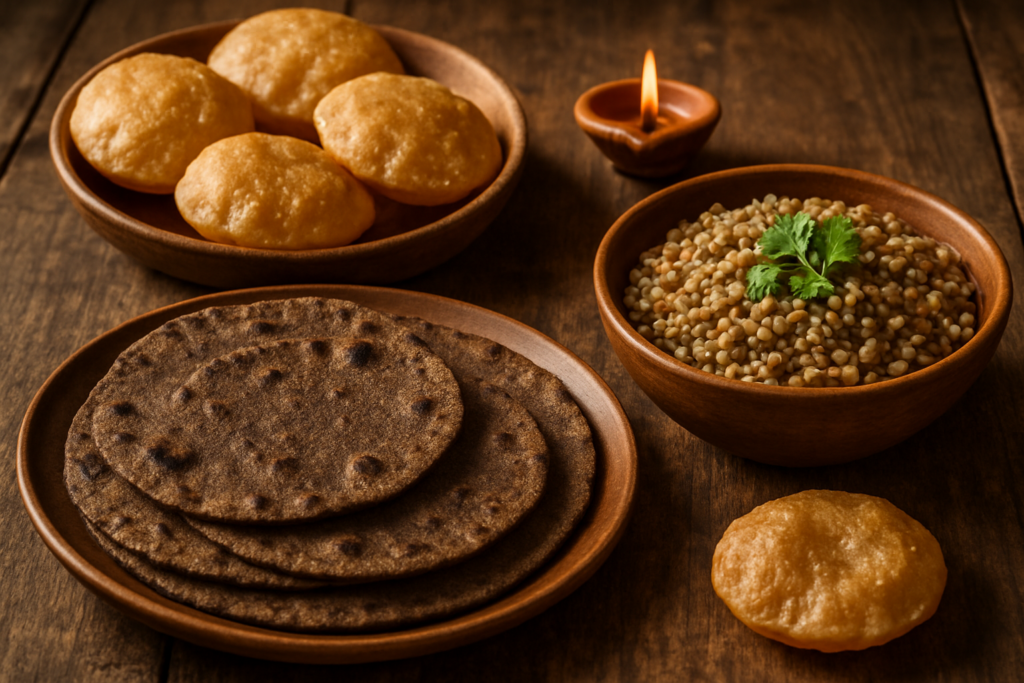
My Navratri Kitchen and the Magic of Kuttu Ka Atta Recipes
Every year, when Navratri rolls around, the scent that fills our house isn’t incense — it’s the dark, nutty, slightly earthy smell of kuttu ka atta hitting a hot tawa. My Maaji (that’s what I called my paternal grandmother) would stand at the chulha making kuttu ki rotis every single morning of the nine-day fast, and she’d do it completely by feel. No measuring, no recipe card, just a confident handful of flour, a boiled potato she’d kept aside from the night before, and some sendha namak. She never once broke a roti while rolling. I, on the other hand, destroyed approximately fourteen of them before I got the hang of it.
These kuttu ka atta recipes are everything I’ve learned over years of Navratri fasting — from those humbling early failures to the point where I now genuinely look forward to cooking with buckwheat flour, not just during the fasts but year-round. If you’ve been searching for reliable buckwheat flour Indian recipes that actually work, you’re in the right kitchen. I’ve included 12 dishes here, ranging from the classics like kuttu ki roti and kuttu ki poori, to some recipes that might surprise you — a kuttu dosa, a warm buckwheat khichdi, even a sweet halwa.
And for my friends in the diaspora cooking in the UK, US, Canada, or Australia — I’ve got substitution notes throughout, because I know firsthand how hard it can be to find certain ingredients when you’re 8,000 kilometres from the nearest Indian grocery store that stocks sendha namak.
Prep Time: 20 minutes
Cook Time: 40 minutes
Total Time: 60 minutes
Servings: 4
This is a collection of 12 kuttu ka atta recipes using buckwheat flour — all Navratri-friendly and naturally gluten-free. The base dough and batter techniques covered here apply to rotis, pooris, chillas, and more. Most individual dishes take under 30 minutes once you’ve got the dough or batter down.
Why You’ll Love These Kuttu Ka Atta Recipes
- Naturally gluten-free: Despite the confusing name, buckwheat has zero relation to wheat and contains no gluten whatsoever — making these recipes safe for celiac and gluten-sensitive folks.
- Incredibly nutritious: Kuttu is high in plant-based protein, dietary fiber, and powerful antioxidants like rutin. It keeps you genuinely full during fasting hours, which anyone who’s gone hungry on a Navratri afternoon will appreciate.
- Versatile beyond fasting: I know some people only pull out the kuttu bag twice a year. Once you try the chilla or the dosa, I promise that changes.
- Beginner-friendly with the right technique: Once you understand the potato-as-binder trick, the recipes become very approachable — even if you’ve never worked with this flour before.
- Works for multiple dietary needs: Vegan (just swap ghee for oil), Jain, no-onion-no-garlic, and obviously gluten-free. One flour, many communities.
Is Kuttu Gluten Free? And Why Does That Matter?
Let me address this right away because I get this question constantly. Yes, kuttu is completely gluten-free. The word “buckwheat” is a bit of a misnomer — it’s not wheat at all. It’s a pseudocereal (actually a seed) from the plant Fagopyrum esculentum, related to rhubarb and sorrel, not to any grain in the wheat family. This is precisely why it’s allowed during Hindu fasting periods, which traditionally restrict grains like wheat and rice.
From a health perspective, buckwheat’s nutritional profile is genuinely impressive — it contains all essential amino acids (rare for a plant food), a good dose of magnesium, and resistant starch that supports gut health. I know purists will say we shouldn’t be making fasting food sound like a health trend, but honestly, the fact that kuttu is this good for you is just a happy bonus.
One important note if you’re strictly celiac: always buy kuttu ka atta from a dedicated gluten-free facility or check for cross-contamination warnings on the packaging. Some facilities process both wheat and buckwheat, and even tiny amounts of gluten can be problematic for celiac patients.
Ingredients You’ll Need for Kuttu Ka Atta Recipes
The Core Ingredients
- Kuttu ka atta (buckwheat flour): The star, obviously. Look for flour that has a deep greyish-brown color and smells nutty, not musty. In India, brands like MDH and Patanjali are widely available during Navratri. Abroad, Bob’s Red Mill buckwheat flour is an excellent substitute — same grain, same texture.
- Boiled potato (for dough): This is non-negotiable for rotis and pooris. Kuttu has no gluten, so mashed potato provides the binding you need to roll it without it crumbling apart. One medium potato per cup of flour is my ratio.
- Sendha namak (rock salt): The traditional Navratri salt. Outside India, look for it at Indian grocery stores as “rock salt” or “vrat ka namak.” Himalayan pink salt is the closest substitute if you can’t find it.
- Ghee: Adds flavor and helps with the cooking. For a vegan version, any neutral oil works — I sometimes use coconut oil which pairs beautifully with buckwheat’s earthiness.
- Green chillies and ginger: The classic aromatics for savory kuttu dishes. During fasting, we skip onion and garlic, so these two do a lot of flavor heavy-lifting.
- Yogurt (dahi): For chilla batter — gives it tang and helps it spread. Outside India, full-fat Greek yogurt works perfectly, just thin it with a little water.
- Cumin seeds (jeera): For tempering. Allowed in most Navratri fasting traditions, though this varies by region and family — check your own family’s customs.
Optional but Lovely Add-ins
- Fresh coriander leaves (dhania)
- Black pepper powder
- Ajwain (carom seeds) — adds digestibility to the rotis
- Sama ke chawal (barnyard millet) for mixed dishes
- Sabudana (tapioca pearls) for textural contrast in khichdi
The 12 Kuttu Ka Atta Recipes You Need to Know
1. Kuttu Ki Roti Recipe (The Fasting Essential)
This is where most people start, and honestly, where most people also give up after one crumbly disaster. Don’t. The key is the potato ratio and a gentle hand while rolling.
- Sift 2 cups of kuttu ka atta through a fine sieve. This removes any lumps and makes a world of difference to the final texture — Maaji always said flour that’s not sifted has “knots” in it, and she wasn’t wrong.
- Add 1 medium boiled and mashed potato to the flour while it’s still slightly warm. This is important — warm potato incorporates more smoothly.
- Add 1 teaspoon sendha namak, 1 teaspoon finely chopped green chilli, 1/2 teaspoon grated ginger, and 2 tablespoons chopped fresh coriander.
- Mix everything together first without any water. The potato will already make the mixture clump slightly.
- Add water a tablespoon at a time, kneading gently to form a soft dough. It should feel like soft playdough — not sticky, not dry. Stop the moment it comes together. Do not knead aggressively; this isn’t wheat dough and doesn’t need or benefit from it.
- Divide into portions about the size of a large lime. Place a portion between two sheets of cling film or a ziplock bag that’s been cut open.
- Use a flat-bottomed bowl or your palm to gently press it down, then a rolling pin to roll it to about 5-6 inches diameter. Go slowly. The dough will want to crack at the edges — press those cracks back together with your fingers.
- Heat a tawa on medium-high until properly hot. Slide the roti off the plastic and onto the tawa gently.
- Cook 2-3 minutes until you see the surface begin to look dry and small bubbles form. Flip. Add a small amount of ghee to each side. You’ll see dark brown spots appear — this is correct and beautiful, not burnt.
- The roti is done when both sides have those dark spots and it smells wonderfully nutty. Serve immediately.
2. Kuttu Ki Poori (Crispy, Puffed, and Perfect for Navratri)
- Make the same dough as the roti recipe above, but knead it slightly firmer since it needs to hold up to hot oil.
- Divide into small balls — slightly smaller than for rotis, about the size of a golf ball.
- Roll each ball between plastic sheets to about 4 inches diameter and 3-4mm thickness. Thicker than wheat pooris — if you go too thin, they’ll break in the oil.
- Heat oil in a kadai to about 170°C (if you don’t have a thermometer, drop a tiny piece of dough — it should rise to the surface within 2-3 seconds).
- Slide the poori into the oil gently. Immediately use a slotted spoon to gently press it down and then let it puff up.
- Fry 1-2 minutes per side until deep golden brown. Remove, drain on paper towel, and serve at once with vrat wale aloo.
3. Kuttu Ka Chilla (Savory Buckwheat Pancakes)
This is genuinely my favorite on the list and the one I make year-round. It’s fast, it’s delicious, and it pairs with literally anything.
- Whisk together 1 cup kuttu ka atta, 1/2 cup dahi (yogurt), 1/2 teaspoon sendha namak, 1 teaspoon finely chopped green chilli, 1 teaspoon grated ginger, and enough water to make a smooth, pourable batter (consistency of dosa batter — spreads easily when poured).
- Let the batter rest for 5-10 minutes. The flour absorbs the yogurt and it thickens slightly.
- Heat a non-stick tawa or flat pan on medium heat. Grease lightly with ghee.
- Pour a ladleful of batter and spread in a circular motion quickly — you have about 3 seconds before it starts setting.
- Drizzle a little ghee around the edges. Cook until the edges look golden and lift away from the pan, and the top surface looks set (about 2-3 minutes).
- Flip carefully and cook 1 minute more. Serve with green chutney or dahi.
4. Kuttu Ki Khichdi (Warming and Filling)
- Dry roast 1 cup kuttu ka atta in a heavy-bottomed pan on medium heat for 3-4 minutes, stirring continuously, until it turns a shade darker and smells toasty. This step removes any raw flour taste.
- In a separate pot, heat 1 tablespoon ghee. Add 1/2 teaspoon jeera and let it splutter.
- Add 1 teaspoon grated ginger and 1 green chilli, chopped. Sauté 30 seconds.
- Add 1 medium potato, peeled and cut into small cubes. Sauté 2-3 minutes.
- Add 2.5 cups water, sendha namak to taste, and bring to a boil.
- Slowly whisk in the roasted kuttu flour to avoid lumps. Reduce heat to low, stir well, cover, and cook 8-10 minutes stirring occasionally until it reaches a thick porridge consistency.
- Finish with a drizzle of ghee and black pepper. Serve hot.
5. Kuttu Ka Dosa (Yes, Really!)
I know, I know — dosa is a South Indian dish and Navratri fasting is largely a North Indian tradition. But hear me out. The batter works beautifully, and the dark color of kuttu dosa is genuinely striking on the plate. I made this on a whim one morning and it’s now a regular in our house.
- Mix 1 cup kuttu ka atta with enough water to make a thin, flowing batter. Add sendha namak, a pinch of black pepper, and a tiny bit of grated ginger.
- Heat a cast iron or non-stick dosa tawa until very hot. Grease lightly.
- Pour a ladle of batter and spread in circular motions quickly. Kuttu batter is less flexible than rice batter, so don’t try to make it paper-thin — medium thickness works best.
- Cook on medium-high heat, drizzle ghee, and cook until the edges lift naturally. Fold and serve.
6. Kuttu Ka Halwa (Sweet, Nutty, and Deeply Comforting)
- Heat 3 tablespoons ghee in a heavy pan. Add 1 cup kuttu ka atta and roast on low-medium heat, stirring constantly for 7-8 minutes until the flour turns a few shades darker and smells like roasted nuts. Don’t rush this step.
- In a separate saucepan, heat 2.5 cups water with 3/4 cup sugar (or to taste) and a few cardamom pods. Bring to a boil until sugar dissolves.
- Carefully pour the hot sugar water into the roasted flour, stirring vigorously. It will bubble up dramatically — stand back and keep stirring.
- Cook on medium heat, stirring constantly, until the halwa comes together and leaves the sides of the pan — about 5-7 minutes.
- Garnish with chopped cashews and raisins. Serve warm.
7. Kuttu Ki Tikki (Crispy Fasting Patties)
- Combine 1 cup kuttu ka atta, 2 large boiled mashed potatoes, 1 teaspoon sendha namak, 1 green chilli chopped, fresh coriander, and a pinch of black pepper. Mix into a firm dough.
- Divide into flat round patties about 1cm thick.
- Shallow fry in ghee on medium heat until crispy golden on both sides — about 4-5 minutes per side.
- Serve with vrat ki hari chutney made from coriander, mint, green chilli, and sendha namak.
8. Kuttu Ka Uttapam (Thick and Topped with Veggies)
Similar to the chilla but thicker, with toppings pressed in. I top mine with finely chopped tomato, green chilli, and coriander — simple but very satisfying.
- Make a thicker version of the chilla batter — it should pour but not spread too easily.
- Pour on a greased tawa, don’t spread too thin. Scatter your toppings on the wet surface and press gently with the back of a spoon.
- Cook covered on medium-low heat for 4-5 minutes until the base is golden. Flip and cook 2 minutes more.
9. Kuttu Ka Paratha (Stuffed and Satisfying)
- Make the base dough as per the roti recipe. Separately, prepare a filling: mash boiled potato with sendha namak, green chilli, ginger, cumin, and coriander.
- Roll a slightly larger roti portion, place filling in the center, gather edges, pinch to seal, and gently flatten again between plastic sheets.
- Cook on a tawa with generous ghee until golden on both sides. These are more forgiving than plain rotis because the filling adds moisture.
10. Kuttu Ka Pakora (Crispy Fasting Fritters)
- Make a thick batter with kuttu ka atta, sendha namak, green chilli, and water.
- Dip slices of potato, raw banana, or paneer into the batter and deep fry in hot oil until crispy and cooked through.
- Drain and serve hot. These are excellent on a cold, rainy Navratri day with a cup of tea — not that we drink tea during some fasting traditions, but you get the spirit.
11. Kuttu Ka Cheela with Paneer (Protein-Packed Variation)
- Make standard chilla batter. Crumble fresh paneer with sendha namak, black pepper, and a pinch of green chilli.
- Pour batter on tawa, immediately scatter paneer crumble over one half of the chilla.
- Cook until set, then fold over. The paneer inside warms through beautifully and makes this a very filling meal.
12. Kuttu Aur Sama Ki Mixed Khichdi (The Best of Both Fasting Grains)
- Soak 1/2 cup sama ke chawal (barnyard millet) in water for 20 minutes. Drain.
- Dry roast 1/2 cup kuttu ka atta until lightly toasted.
- Heat ghee in a pot, temper with jeera, add ginger, green chilli, and potato cubes. Cook 3 minutes.
- Add the soaked sama, 2.5 cups water, and sendha namak. Bring to a boil, then simmer 10 minutes.
- Stir in the roasted kuttu gradually, stir well, cover and cook 5 more minutes until thick and porridge-like.
- Serve with a dollop of ghee and cucumber raita made with sendha namak.
Tips for Perfect Kuttu Ka Atta Recipes Every Time
- Always sift: Kuttu atta tends to form lumps during storage. Sifting before use takes 30 seconds and makes a measurable difference to smoothness of dough and batter.
- The plastic wrap trick is your best friend: Rolling kuttu dough directly on a board is a recipe for frustration. Always roll between plastic sheets — it prevents sticking and lets you transfer to the tawa without tearing.
- Don’t overcrowd the pan: Whether frying pakoras or cooking chilla, give each piece space. Overcrowding drops the temperature and makes things soggy instead of crispy.
- Use warm potato in the dough: A common mistake is using refrigerator-cold boiled potato. Warm or room-temperature potato mixes into the flour much more smoothly and makes a more pliable dough.
- Smell your flour before using it: Kuttu atta goes rancid faster than wheat flour. Fresh kuttu smells earthy and nutty. If it smells sour, musty, or “off,” discard it. This is not the time to be thrifty — rancid oil in the flour will ruin the flavor of everything you make.
Variations for Different Dietary Needs
Jain and No-Onion-No-Garlic Version
Good news: nearly every recipe here is already Jain-friendly since we’re already skipping onion and garlic in Navratri recipes. Just additionally avoid ginger and green chilli if following strict Jain guidelines, and replace them with a generous amount of black pepper and a squeeze of lemon for flavor.
Vegan Version
Replace ghee with coconut oil or cold-pressed groundnut oil. Replace yogurt in chilla batter with coconut milk yogurt or just plain water with a teaspoon of lemon juice for tang. Every single recipe here can be made vegan with these simple swaps.
For Strict Navratri Fasting
Always use sendha namak instead of regular salt. Skip any grain-based additions. Cumin is generally permitted but verify with your family’s tradition — fasting rules vary quite a bit by region and community.
For Everyday Non-Fasting Cooking
When I make these year-round, I freely add regular salt, add a garlic clove to the chilla batter, sometimes even throw in some carom seeds (ajwain) or dried methi leaves into the roti dough. The recipes are a canvas — use them as a base and make them your own.
What to Serve With These Kuttu Dishes
- Vrat wale aloo ki sabzi: Potatoes cooked with cumin, sendha namak, and a good squeeze of lemon is the classic companion to kuttu ki roti or poori. The simplicity of the pairing is what makes it so good.
- Kaddu ki sabzi (Pumpkin curry): A mildly spiced pumpkin dish is a wonderful partner to the earthy, robust flavor of buckwheat. The sweetness of the pumpkin balances the nuttiness of kuttu beautifully.
- Vrat ki dahi chutney: Simply whisk thick dahi with sendha namak, a pinch of roasted cumin, and some fresh coriander. Cool, creamy, and the perfect dip for tikkis or chilla.
Storage and Reheating
Kuttu dishes are almost always best eaten fresh — especially the rotis, pooris, and chilla, which lose their texture quickly. That said, here’s how to handle what’s left over:
- Dough: Can be stored in the refrigerator for up to 24 hours. Cover tightly with cling film. The dough may darken slightly in color — this is normal oxidation, not spoilage.
- Cooked rotis/chilla: Store in an airtight container in the fridge for up to 2 days. Reheat on a dry tawa for best results — the microwave makes them soft and a little gummy, though edible.
- Khichdi and halwa: Store in the fridge up to 2 days. Reheat gently in a pan with a splash of water for khichdi, or a spoonful of ghee for halwa, stirring constantly.
- Tikkis and pakoras: Reheat in an air fryer or oven at 180°C for 5-7 minutes to restore crispiness. Pan-fry works too. Avoid microwaving — they’ll go soft.
- Kuttu ka atta itself: Store in an airtight container in the fridge for up to 3 months or at room temperature in a cool, dark place for about 4 weeks.
Frequently Asked Questions About Kuttu Ka Atta Recipes
Is kuttu ka atta gluten free?
Yes, kuttu is completely gluten-free despite having “wheat” in its English name. Buckwheat is actually a seed related to rhubarb, with no botanical connection to wheat. This is why it’s permitted during Navratri fasting and safe for people with celiac disease or gluten sensitivity. If you’re strictly celiac, always check your specific brand’s packaging for cross-contamination warnings from shared facilities.
Why does my kuttu ki roti break while rolling?
This is the most common problem, and it happens because kuttu has zero gluten — nothing to hold the dough together elastically like wheat dough. The fix is twofold: first, use enough mashed potato (at least one medium boiled potato per cup of flour); second, roll between plastic wrap sheets and go slowly. Never rush kuttu roti. It rewards patience.
Can I use kuttu ka atta for everyday cooking, not just Navratri?
Absolutely, and I’d strongly encourage it. I make kuttu chilla and kuttu dosas regularly throughout the year. Buckwheat is nutritionally exceptional — rich in plant protein, fiber, rutin, and magnesium. It’s a fantastic way to add variety beyond wheat rotis, and it pairs well with everything from yogurt to saag to lentil soups.
What can I substitute for sendha namak in kuttu recipes?
Sendha namak (rock salt) is traditionally used during Navratri fasting as regular table salt is avoided. If you’re making kuttu dishes outside of fasting periods, regular sea salt, Himalayan pink salt, or even kosher salt works perfectly fine. The flavor difference in cooked food is minimal.
How do I stop kuttu ka atta from going rancid?
Buckwheat flour has a higher fat content than wheat, which means it can turn rancid faster. Always store in an airtight container — in the refrigerator for up to 3 months, or in a cool dark pantry for about 4 weeks. The best indicator is your nose: fresh kuttu smells earthy and nutty; rancid kuttu smells sour or musty. When in doubt, throw it out.